
Australia’s climate can have a real impact on your car’s condition and resale value. Floodwater, coastal salt, humidity, heat and UV exposure can all cause damage that affects what your vehicle is worth.
Does climate really affect what your car is worth?
Yes. Climate can affect your car’s value by changing its overall condition, appearance and mechanical reliability. Salt air can accelerate corrosion, prolonged heat can strain batteries and cooling systems, and UV exposure can fade paint, dashboards and upholstery.
The impact depends on the type and severity of the damage. Cosmetic sun damage may only reduce buyer appeal, while flood damage or rust in the chassis can significantly affect safety, repair costs and resale value. This is why where a vehicle has been kept and driven can matter during an inspection or valuation.
The biggest climate-related factors that reduce car value
Climate-related damage does not affect every vehicle in the same way. The greatest drop in value usually occurs when exposure causes structural, electrical or mechanical problems that are expensive to repair.

Flood damage
Floodwater can affect a car’s electrical systems, engine, transmission, brakes, interior and safety components. Even after cleaning and repairs, moisture may remain in hidden areas and lead to corrosion, mould or electrical faults later.
From 1800 Salvage’s experience, vehicles with significant water or flood damage may retain little value because the full extent of the damage can be difficult to confirm and costly to address.
Rust and corrosion
Rust can form when exposed metal reacts with moisture, salt and air. Surface rust may be manageable, but corrosion affecting the chassis, underbody or structural components can significantly reduce a vehicle’s value.
Chassis rust is particularly detrimental because repairs can require extensive labour and substantial investment. It may also affect whether the vehicle can be repaired economically.
Sun and UV exposure
Prolonged UV exposure can fade paint, weaken clear coat, crack dashboards and damage upholstery. Window tinting, covered parking and interior protection may reduce this wear.
Sun damage usually has a smaller effect than flood damage or structural rust because it is often cosmetic. However, faded paint and a worn interior can still lower buyer appeal and resale value.
Heat and prolonged high temperatures
Extreme heat can place added pressure on batteries, cooling systems, air conditioning and rubber components. Tyres, seals and hoses may also deteriorate faster when regularly exposed to high temperatures.
A well-maintained vehicle may handle hot conditions better, but repeated heat-related failures or poor air-conditioning performance can increase maintenance costs and affect what potential buyers are prepared to pay.
Moisture and humidity
Persistent humidity can trap moisture inside the cabin, under carpets and around electrical connections. Over time, this may contribute to mould, unpleasant odours, corrosion and electrical issues.
Vehicles in tropical or consistently wet climates may require closer inspection, particularly when there are signs of water entry, damaged seals or corrosion beneath the vehicle.
Which type of climate causes the greatest depreciation?
Climate itself does not reduce value as much as the damage it creates. Flood-prone conditions generally have the greatest impact, followed by environments that encourage structural rust. Cosmetic sun damage tends to have a smaller effect unless it is severe or combined with other issues.
Why flood damage has the biggest financial impact
Flood damage can spread through a vehicle’s electrical systems, mechanical components, safety features and interior. It may also leave hidden moisture behind, increasing the risk of corrosion, mould and faults long after the water has gone.
Because the full extent of the damage can be difficult to confirm, flood-affected vehicles may be worth very little in the salvage market. Anyone assessing a used vehicle can also conduct a PPSR vehicle search to check whether it has been recorded as written off or stolen.
Why structural rust is one of the most expensive issues
Rust becomes especially serious when it affects the chassis, underbody or other structural areas. Repairs can involve extensive labour, replacement parts and specialist work, making the vehicle far more expensive to restore.
Based on our purchasing experience, chassis rust is one of the most detrimental factors affecting vehicle value because of the amount of money that may need to be invested back into the car.
Why cosmetic sun damage usually has a smaller effect
Sun exposure can fade paint, damage clear coat and wear down dashboards or upholstery. These issues still affect presentation and buyer appeal, but they are generally easier to assess than flood or structural damage.
As a result, cosmetic sun damage usually reduces resale value less than severe corrosion or water damage, particularly when the vehicle remains mechanically sound.
How different Australian climates affect vehicles
Australia’s varied climate means vehicles can age differently depending on where they are driven and stored. Coastal salt, tropical humidity, inland heat and cooler wet conditions can each affect a car’s body, interior and mechanical systems in different ways.
Coastal regions and salt-related corrosion
Vehicles kept near the coast are more exposed to airborne salt, particularly when parked outdoors or driven near seawater. Salt can accelerate corrosion on the underbody, chassis, brake components and exposed metal.
Rust is especially common in vehicles purchased from coastal areas between the Central Coast and far north Queensland. The combination of warmer weather, moisture and sea air can cause damage that owners may not notice until the vehicle is inspected or collected.
Tropical climates and humidity
Warm, humid conditions can encourage moisture build-up in the cabin, beneath carpets and around electrical connections. Over time, this may lead to mould, unpleasant odours, corrosion and electrical issues.
Vehicles in tropical areas such as Brisbane, Far North Queensland, and Darwin may also experience faster wear on seals, upholstery, and air-conditioning systems if they are not regularly maintained.
Hot inland regions and UV exposure
Inland heat and prolonged sun exposure can fade paint, damage clear coat and crack dashboards or upholstery. High temperatures may also place extra strain on batteries, tyres, hoses, cooling systems and air conditioning.
Cars stored under cover and regularly maintained may hold their condition better, while vehicles left outdoors for long periods can depreciate faster due to visible and mechanical wear.
Cooler southern climates
Cooler regions may have less intense UV exposure, but frequent rain, damp conditions and colder temperatures can still affect a vehicle. Moisture may contribute to corrosion, while cold starts can place added strain on batteries and mechanical systems.
The overall impact often depends on maintenance, covered storage and whether the car is regularly driven in wet or rural conditions.

Tip: Check hidden areas
Inspect the underbody, wheel arches and carpets for rust or moisture, as climate-related damage is not always visible from the outside.
What we've observed from buying vehicles across Australia
Buying vehicles nationwide gives us a clear view of how weather, location and maintenance can affect the value of your car. While make, model, odometer reading, and service history still matter, environmental exposure can significantly change a vehicle’s condition and final price.
Common issues we see by region
The key factors that affect vehicle condition vary across Australia. These patterns are not absolute, but they can help us evaluate how a car has been used and whether environmental damage may affect its value in today’s market.
Why coastal vehicles are more susceptible to rust
Salt carried through coastal air can settle on exposed metal, the underbody and mechanical systems. When combined with humidity and warmer weather, it can speed up corrosion.
Vehicles kept close to the coast may depreciate faster when they are not washed regularly or when small paint chips and scratches expose bare metal. This is why some coasters may appear sound from the outside but show more serious damage underneath.
Hidden damage owners often don't notice
Some of the most significant factors affecting value are difficult to see during everyday use. Customers may not realise their car has chassis rust until collection, when photos from the tow driver reveal corrosion beneath the vehicle.
Other hidden issues can include moisture under carpets, damaged seals, electrical faults, weakened brake components or corrosion around structural areas. A car may still run, but these mechanical aspects can reduce reliability, longevity and resale potential.
How these issues influence resale value
Climate-related damage can lower market demand because buyers must account for repair costs, safety concerns and future maintenance. Flood damage and structural rust generally have the greatest impact, while cosmetic sun damage may reduce the price to a lesser extent.
A regularly maintained vehicle with a complete service history, lower mileage and less wear and tear will usually value better than a similar car with corrosion, water damage or neglected mechanical systems. However, market trends, fuel economy, accident history and demand for particular SUVs, diesel vehicles, hybrid and electric vehicles can also cause values to fluctuate.
Can you protect your car from climate-related depreciation?

You cannot control the weather, but regular care can mitigate some environmental factors that affect your car's value. The goal is to limit moisture, UV exposure and untreated damage before they lead to larger repair bills.
Wash your car regularly in coastal areas
Salt can build up on paint, wheel arches and the underbody, especially near the coast. Regular washing helps remove these deposits before they accelerate corrosion.
Pay extra attention to the underside of the vehicle and rinse it after driving near beaches, saltwater or coastal roads.
Repair paint damage before rust develops
A scratch, chip or dent can expose bare metal to air and moisture. Treating minor paint damage early may prevent surface rust from spreading into more serious corrosion.
Keeping the body in excellent condition can also improve presentation and help the vehicle hold value better as it ages.
Protect the interior from UV exposure
Sunshades, covered parking and quality window tinting can help protect the dashboard, upholstery and interior plastics from fading or cracking.
They may also reduce cabin heat, easing demand on the air-conditioning system and helping maintain driver comfort.
Address water damage immediately
Water inside the cabin should be dealt with quickly. Dry carpets, inspect seals and have electrical or mechanical systems checked if the vehicle has been exposed to flooding or significant water entry.
Acting early may reduce mould, corrosion and hidden faults, although severe flood damage can still have a major impact on value.
Keep your vehicle maintained year-round
Regular servicing supports fuel efficiency, reliability and durability in changing conditions. Cooling systems, batteries, brakes, tyres and air conditioning should be checked as part of routine maintenance.
Keep a complete service history and records for any repair, modification or upgrade. These documents help buyers evaluate the vehicle and make informed decisions, particularly when comparing similar car-based models.
Features such as navigation systems may improve usability, but they are less important than mechanical condition, maintenance and overall care. A fuel-efficient vehicle may attract stronger market demand and higher prices, but climate damage can still reduce its value.
Does climate affect every vehicle equally?
No. Two vehicles exposed to the same weather can depreciate differently depending on their age, construction, maintenance and where they have spent most of their life.
Vehicle age
As a vehicle ages, seals, paint, rubber components and protective coatings can begin to deteriorate. This can make older cars more vulnerable to moisture, heat and UV exposure.
Newer vehicles may have better corrosion protection and stronger materials, but they are not immune to flood damage, salt air or prolonged sun exposure.
Build quality
Build quality can influence how well a vehicle handles harsh conditions. Some makes and models use more durable paint finishes, interior materials and rust protection, which may improve reliability and longevity.
However, even a well-built vehicle can lose value when corrosion reaches structural areas or water damages electrical systems.
Maintenance history
A regularly maintained car is usually better equipped to handle changing conditions. Servicing can identify worn seals, cooling system faults, battery issues, and early signs of corrosion before they become more expensive problems.
A complete service history also gives potential buyers greater confidence when they evaluate the vehicle’s condition.
Where the vehicle has spent most of its life
A car parked under cover in a dry inland area may show less environmental wear than one kept outdoors near the coast. Likewise, a vehicle regularly driven through flood-prone roads, humid conditions, or rural areas may face different risks.
Valuers consider the vehicle’s location alongside its odometer reading, accident history, mechanical condition and service records. Climate exposure matters most when it has caused visible or hidden damage.
Climate is only one piece of the valuation puzzle
Climate can affect condition, but it does not determine a car’s value on its own. A proper valuation also considers the vehicle’s age, usage, history, demand and mechanical condition.
Vehicle make and model
Some makes and models hold value better because of stronger demand, proven reliability and lower ownership costs. Popular SUVs, diesel vehicles and fuel-efficient models may attract more buyers, but severe rust or flood damage can still outweigh these advantages.
Kilometres travelled
Lower mileage can support a higher value because it may indicate less wear and tear. However, the odometer reading should always be considered alongside how the vehicle was used.
A city car with lower kilometres may still show stop-start wear, while a regional vehicle with higher kilometres may have travelled mostly on open roads.
Service history
A complete service history shows that the vehicle has been regularly maintained. It can help buyers understand how well the mechanical systems, brakes, tyres, cooling system, and air conditioning have been maintained.
Good records may also make it easier to confirm repairs, upgrades and any modification work completed over time.
Market demand
Market trends can cause vehicle prices to fluctuate. Demand may be stronger for certain fuel-efficient cars, hybrid and electric vehicles, SUVs or reliable work vehicles.
When demand is high, some vehicles may achieve higher prices. Even so, buyers will still factor in corrosion, water damage, accident history and overall condition.
Mechanical condition
Mechanical condition is one of the most significant factors affecting what a vehicle is worth. Engine, transmission, braking, steering, electrical, and cooling issues can all reduce value by increasing repair costs.
A car in excellent condition with strong reliability and durability will generally value better than a similar vehicle with hidden faults, even when both have been exposed to the same climate.
Sell your climate-damaged vehicle
Whether your car has coastal corrosion, flood damage or heat-related wear, 1800 Salvage can help you take the next step.
FAQs
Does living near the coast reduce my car's value?
It can. Salt air and moisture may accelerate rust on the underbody, chassis and exposed metal, especially when the vehicle is not washed or maintained regularly.
Is rust worse than sun damage?
Usually, yes. Cosmetic sun damage may reduce presentation and buyer appeal, while structural rust can be expensive to repair and may significantly reduce the vehicle’s value.
Does heat damage a car's resale value?
Prolonged heat can fade paint, crack interior materials and place extra strain on batteries, tyres, air conditioning and cooling systems. The impact depends on the severity of the wear and the car’s maintenance history.
Can flood damage ever be fully repaired?
Some flood-damaged vehicles can be repaired, but hidden moisture, corrosion and electrical faults may remain. Serious water damage can make a vehicle uneconomical to restore and substantially reduce its value.
How can I protect my car from climate-related depreciation?
Wash it regularly, repair paint damage early, park under cover, protect the interior from UV exposure and keep servicing up to date. Address any water entry or rust as soon as possible.
Protecting your car's value in Australia's climate
Australia’s weather can affect your car in different ways, from coastal rust and flood damage to UV exposure and heat-related wear. Regular servicing, early repairs, and careful storage can help reduce depreciation, but climate is only one of the factors that affect your car's value.
When it is time to sell, 1800 Salvage can assess the vehicle’s age, condition, service history, location and damage through our cash for cars service.
Table of contents


Related articles


How to sell a broken down car?
Have a junk car just waiting to be sold? Here are the best tips for how to sell unwanted cars and get the best bang for your buck.
Read about it
The cost of selling a car
If you’ve never sold a car before and are unsure of the process and costs involved, we outline everything you need to know right here.
Read about it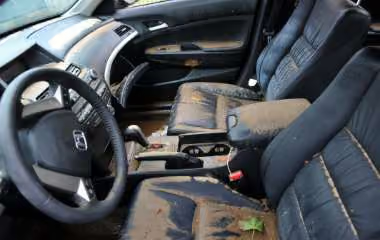
How to sell a flood damaged car
Submerged vehicles can still be a worth a great salvage price as certain parts are still reusable. Learn more here.
Read about it