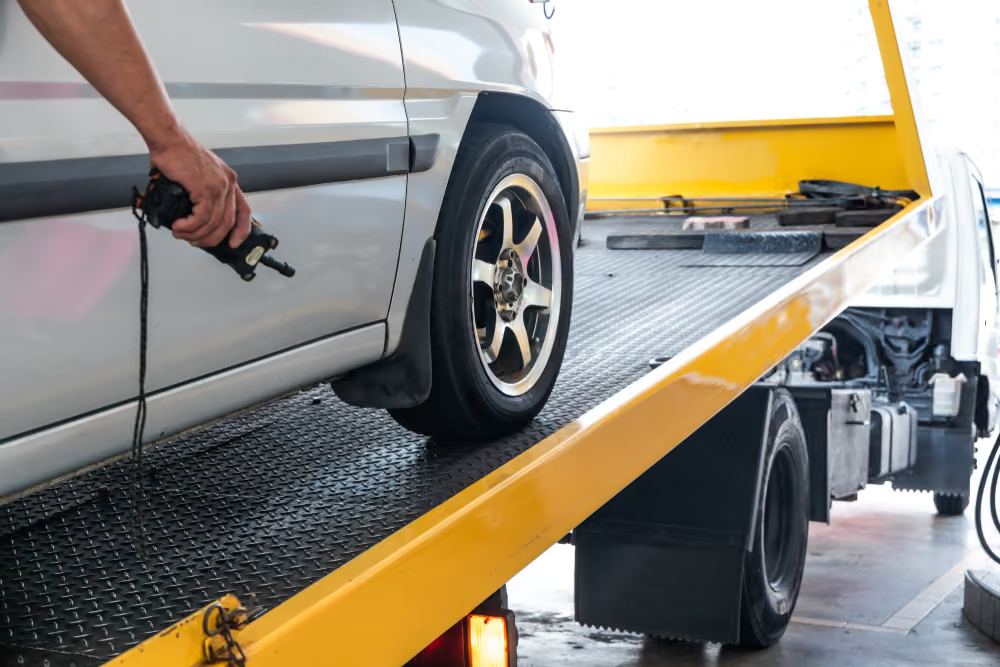
Flood damage can significantly reduce a car’s market value, even when the vehicle looks fine after the water recedes. In Brisbane, car buyers pay close attention to corrosion, electrical faults, mould, engine damage and the risk of future failures. This guide explains how flood exposure affects valuation, when repairs may be worthwhile and what to consider before selling a flood-damaged vehicle.
Yes, flood damage can dramatically reduce a car's value
Flood damage usually lowers a vehicle’s value because buyers assess more than its current appearance or driveability. They also consider its history, future reliability and likely resale difficulty.
The reduction can be substantial when repair costs exceed the vehicle’s pre-flood value or the car is declared a total loss. Even after professional repairs, it may still sell for less than a comparable undamaged vehicle because its flood history remains a major valuation factor.
What our buying experience tells us about flood-damaged vehicles
Our experience buying and reselling flood-damaged vehicles shows that their auction performance is often weak, regardless of where the flooding occurred. While the exact reduction varies by vehicle, flood history can cause the sale price to fall far below that of a comparable undamaged car.
Why buyers approach flood vehicles differently
Licensed car buyers tend to be extremely cautious with flood-damaged vehicles. Their bids must account for uncertain repair costs, limited resale demand and the possibility that additional faults will appear after purchase.
What we've seen at auction
Some flood-damaged vehicles have sold at auction for around $100. That does not mean every flooded car will receive such a low price, but it shows how sharply value can fall when buyers see little repair, parts or resale potential.
Why flood-damaged cars can be difficult to resell
Flood vehicles can leave very little margin between the purchase price and the eventual auction result. To manage that risk, a buyer may need to offer substantially less than they would for a similar vehicle without flood damage. In some cases, the resale outlook is too weak to make the transaction commercially viable.
What flood damage can mean for value
Why flood damage has such a significant impact on resale value
Floodwater can affect several parts of a vehicle at once. This makes the final repair bill difficult to predict and gives buyers less confidence in the car’s long-term condition.
Hidden mechanical and electrical issues
Water may enter areas that are difficult to inspect, including control modules, connectors, bearings and sealed mechanical components. A vehicle may appear operational while faults continue to develop beneath the surface.
Ongoing reliability concerns
Flood-related problems do not always appear immediately. Intermittent warning lights, starting issues, transmission faults or sensor failures may emerge after the vehicle has returned to the road.
The long-term cost of repairs
Repairing visible damage may only address part of the problem. Labour-intensive diagnostics, replacement electronics and repeat repairs can push the total cost beyond what the vehicle is worth.
Reduced buyer confidence
Buyers generally place a lower value on vehicles with uncertain post-repair performance. Even with invoices and professional documentation, a known flood history can make the car harder to compare with an undamaged vehicle.
What parts of a car are most affected by flood damage
The extent of the damage depends on the floodwater level and how long the vehicle was exposed. Once water reaches major systems, the car may become increasingly difficult to repair or value with confidence.
- 01
.svg)
Engine and drivetrain
Floodwater can contaminate engine oil, transmission fluid and other lubricants. If the engine is started while water is present, internal damage may occur, and repair costs can rise quickly.
- 02

Electrical systems and wiring
Modern vehicles rely on wiring harnesses, control modules and electronic connections throughout the cabin and engine bay. Water exposure can cause corrosion, short circuits and intermittent faults that are difficult to diagnose.
- 03

Interior materials and mould
Carpets, seat foam and sound insulation can trap moisture long after visible water is removed. Musty odours, staining and mould can remain, particularly when the interior was fully submerged.
- 04
Safety systems and sensors
Floodwater may compromise airbags, seatbelt pretensioners, parking sensors, cameras and driver-assistance systems. These components require careful assessment because a fault may affect both safety and resale value.
Take the guesswork out of selling a flood-damaged vehicle
Not sure what your car is worth after flood damage? Submit your vehicle details online for a fast, transparent valuation based on its condition, history and likely resale potential.
Does every flood-damaged vehicle lose the same amount of value?
No. The drop in value depends on the type of water exposure, the extent of the damage and whether the vehicle still has realistic repair or parts potential.
The severity of the flood matters
A car exposed to shallow water may retain more value than one that was fully submerged. Once floodwater reaches the dashboard, engine or major electrical systems, buyers usually treat the vehicle as a much higher risk.
Freshwater vs saltwater damage
Salt water is generally more damaging because it accelerates corrosion across metal parts, connectors and wiring. Coastal flooding can therefore have a greater long-term effect than short-term freshwater exposure.
Whether the vehicle has been professionally repaired
Documented repairs may improve buyer confidence, especially when invoices show which components were replaced. However, professional repairs do not always restore the vehicle to the value of a comparable undamaged car.
Vehicle age and market demand
Newer or high-demand vehicles may still attract stronger interest because their parts or repair potential can justify the risk. Older vehicles with low demand are more likely to see a sharper drop in value.
How buyers identify flood-damaged vehicles
Buyers usually assess several warning signs rather than relying on one visible fault. A professional inspection and vehicle history record can help confirm whether a past flood incident may affect the car’s condition or value.

Water staining and interior damage
Marks beneath carpets, discoloured trim and a persistent musty smell can signal previous water exposure. Moisture may also remain behind interior panels where surface cleaning cannot reach.

Corrosion and rust
Unusual rust on seat rails, bolts, wiring connections or metal beneath the dashboard can be a sign of flooding. Saltwater exposure may cause more permanent corrosion, even when the exterior looks clean.
.svg)
Electrical faults
Warning lights, flickering displays or intermittent controls may point to damage within the electrical system. Buyers often check the dashboard and instrument cluster closely because water-related faults can be difficult to catch during a short inspection.

Vehicle history reports
A vehicle history report may record a write-off designation, insurance claim or other significant incident. Buyers can complete an official PPSR search using the vehicle identification number before proceeding with a purchase. However, a report may not reveal every flood incident, so a pre-purchase inspection is still worthwhile.
Should you repair or sell a flood-damaged car?
The right decision comes down to the likely repair cost, the car’s current value and whether the work will produce a reliable result. In some cases, spending more on repairs will not lead to a fair return when the vehicle is sold.
When repairs may be worthwhile
Repairs may make sense when the exposure was limited, the main systems remain unaffected, and the cost stays well below the vehicle’s pre-flood value. A comprehensive assessment can help confirm whether the damage is contained or likely to become permanent.
Selling may be the better financial decision
Selling may be more practical when repair costs exceed the vehicle’s worth, the car has a write-off designation, or major electrical and mechanical systems were submerged. This scenario is more common when floodwater reaches the dashboard, instrument cluster or engine.
Factors to consider before making a decision
Compare the repair quote with an accurate post-flood car valuation. Also check what your insurance may cover, whether a claim has already been recorded and how much value the car is likely to retain after repairs.
.svg)
Tip: Compare the likely return, not just the repair bill
Before approving repairs, estimate what the car may be worth afterwards and subtract the full repair cost. If the remaining value is low or uncertain, selling the vehicle in its current condition may be the more practical option.

Can you still sell a flood-damaged car?

Yes. A flood-damaged vehicle can still be sold, but its condition and history should be clearly disclosed. The final offer will usually reflect the likely resale result, repair risk and demand from licensed buyers.
- 01
Being transparent about the vehicle's history
Provide any insurance documents, assessment reports, repair invoices and photos from the incident. Clear records help buyers understand what happened and reduce uncertainty during the valuation.
- 02

Why specialist car buyers may still make an offer
A specialist salvage marketplace like 1800 Salvage can help you sell a flood-damaged car in Brisbane, even when it may be difficult to sell privately. Interest may come from licensed buyers considering the car’s parts, repair potential or recycling value rather than its retail resale value.
- 03

What influences the final valuation
The offer may depend on the vehicle’s age, condition, flood level, location and auction demand. Buyers will also consider towing, inspection and resale costs, particularly when past flood vehicles have produced weak auction results.
FAQs
How much does flood damage reduce a car's value?
There is no fixed percentage because the result depends on the vehicle, water level and resale demand. In severe cases, flood-damaged cars can lose most of their market value. Some have sold at auction for around $100, although this is not typical of every vehicle.
Can a repaired flood-damaged car regain its value?
Usually not completely. Professional repairs and clear documentation may improve the result, but buyers still factor the flood history into their calculations. A repaired vehicle will often remain worth less than a comparable undamaged car.
Is flood damage worse than accident damage?
It can be. Accident damage is often limited to a defined area, while floodwater may affect mechanical, electrical, safety and interior components at the same time. That wider exposure can make future problems harder to predict.
Will insurers record flood damage on a vehicle?
An insurer may record a claim, a write-off decision, or another designation after a flood incident. The exact record depends on the policy, assessment and applicable registration rules. Sellers should keep all insurance and repair documents.
Can I sell a flood-damaged vehicle without repairing it?
Yes. You can sell it in its current condition, provided you are transparent about the flood history and known faults. A specialist salvage buyer can assess the vehicle based on its condition, parts value and likely auction demand.
So, do floods in Brisbane really lower car value?
Yes. Flood damage can reduce a vehicle’s value substantially, especially when water reaches major mechanical, electrical or safety systems. The final result depends on the severity of the incident, repair history, vehicle demand and likely auction performance.
1800 Salvage’s experience shows that flood-damaged vehicles can be difficult to resell, with some achieving very weak auction results. That is why buyers approach them cautiously and why offers may sit well below the value of a comparable undamaged car.
A clear assessment gives you the strongest basis for deciding whether to repair the vehicle, make an insurance claim or sell it in its current condition.
Table of contents

.avif)
Related articles
.avif)
Best place to sell a car in Brisbane
Thinking about selling your car in Brisbane? Whether you're upgrading, downsizing, or simply getting rid of a vehicle that’s no longer needed, it’s important to find the method that works best for you. From private sales and dealership trade-ins to car removal services and recycling, each option offers its own set of advantages depending on your goals — whether that’s getting top dollar, speeding up the sale, or minimising effort.
Read about it
How to sell a car in Brisbane
Selling a car can feel like a big task, but with the right approach, it’s simpler than you think. Whether your car is in great condition or on its last legs, there are plenty of ways to get a good deal. From prepping your car to understanding the local legal requirements, our guide will walk you through each step to make the process smooth and hassle-free. You'll also discover how to avoid common pitfalls and get the best possible price.
Read about it.jpg)
Brisbane vs Gold Coast car values: Where do you get more for your car?
Compare Brisbane vs Gold Coast car values, what affects your offer, and how to get an accurate car valuation before you sell your used car.
Read about it