Key Takeaways
- Car depreciation is influenced by kilometres, age, condition, service history and buyer demand.
- A well-maintained vehicle with lower kilometres is more likely to retain its resale value.
- Popular makes and models generally hold their value better than less sought-after vehicles.
- Regular servicing, prompt repairs and complete maintenance records can help minimise depreciation.
- A professional valuation gives you a clearer understanding of what your car is worth before you sell.
Every vehicle loses value over time, but some depreciate much faster than others. While market conditions can influence resale prices, factors such as kilometres travelled, maintenance history, overall condition and buyer demand usually have a much greater impact on how much your used car is worth.
Understanding what drives car depreciation in Adelaide can help you make smarter ownership decisions and maximise your resale value. Whether you're planning to sell soon or simply want to protect your investment, knowing what buyers look for can make a noticeable difference and minimise the value your car could lose over time.
What causes some cars to depreciate faster than others?
Depreciation is the gradual drop in a vehicle's value as it ages. Every new car begins to lose value from the day it's purchased, but the rate of depreciation varies depending on several factors.
Vehicles with high kilometres, inconsistent servicing, accident damage or limited buyer demand often have a lower car value in Adelaide than similar vehicles that have been well maintained. Make and model also play an important role, with popular brands such as Toyota and Mazda often retaining their value better because they continue to attract strong buyer interest.
What we've observed from valuing vehicles in Adelaide
At 1800 Salvage, we've produced thousands of vehicle valuations in Adelaide, giving us first-hand insight into the factors that influence resale value. While every vehicle is assessed individually, the same patterns appear consistently regardless of make or model, original price or whether it was purchased privately or through a dealership.
The biggest depreciation trends we've seen
The vehicles that retain their value best are typically those with a complete service history, reasonable kilometres and good overall condition. By comparison, cars with accident damage, poor maintenance or limited buyer demand often depreciate more quickly, regardless of their original purchase price.
Why kilometres make the biggest difference
One of the first things buyers notice is the odometer reading. Higher kilometres can suggest increased wear on major components, which may affect buyer confidence and contribute to car depreciation in Adelaide, particularly compared with similar vehicles that have travelled fewer kilometres.
The importance of overall vehicle condition
A clean, well-maintained vehicle creates a stronger first impression and reassures buyers that it has been properly cared for. Mechanical condition, cosmetic presentation and documented servicing all work together to support a stronger resale value when it's time to sell.
Find out what your car is worth today
Every car depreciates differently, but understanding its current value is the best place to start. Get a free online valuation from 1800 Salvage and make an informed decision about whether now is the right time to sell.
The biggest factors that affect car depreciation
Several factors can influence how quickly a car loses value. Understanding these can help you protect your vehicle’s resale value and make more informed decisions about maintenance and selling.
- High kilometres
- Vehicle age
- Mechanical condition
- Accident history
- Service history
- Make and model

High kilometres
Kilometres are one of the first things buyers check when assessing a vehicle. A higher odometer reading often suggests greater wear on key components, which can reduce buyer confidence and accelerate car depreciation in Adelaide. Keeping your kilometres as low as possible can help protect your resale value.
Vehicle age
As a vehicle gets older, its value naturally declines. Newer vehicles generally attract more buyers because they often have updated safety features, technology and any remaining manufacturer warranty. Even a well-maintained older car will usually be worth less than a comparable newer model.
Mechanical condition
A vehicle that runs well and has been properly maintained is more appealing to buyers. Mechanical issues, warning lights, or overdue repairs can significantly reduce your car's value, as buyers may factor in the cost of future repairs before making an offer.
Accident history
Previous accident damage doesn't automatically make a vehicle difficult to sell, but it can affect resale value. Buyers often consider the quality of repairs and whether the damage has impacted the vehicle's structural integrity or long-term reliability.
Service history
A complete service history shows that a vehicle has been looked after throughout its life. Records of regular servicing provide buyers with greater confidence and can help reduce concerns about hidden mechanical issues, supporting a stronger resale price.
Make and model
Some makes and models retain their value better than others because they're consistently in demand. Popular vehicles from brands such as Toyota and Mazda often appeal to a wider range of buyers, while less common models or vehicles with higher ownership costs may depreciate more quickly.
Why kilometres have such a significant impact

Kilometres are one of the biggest factors affecting a vehicle's resale value. While they don't tell the whole story, buyers often use the odometer to quickly compare similar vehicles.
Buyer expectations
Most buyers expect a vehicle's kilometres to reflect its age. When the odometer reading is noticeably higher than that of similar models, buyers may be more cautious, anticipating additional maintenance or repairs. A reasonable kilometre reading can help your vehicle appeal to a wider range of buyers and support a stronger resale price.
Wear and tear over time
Higher kilometres usually mean more use, which can lead to natural wear on components such as the suspension, brakes, tyres and engine. While regular servicing can help minimise this wear, buyers often factor future maintenance costs into what they're willing to pay.
How odometer readings influence resale value
The odometer is one of the quickest ways buyers compare similar vehicles. Lower kilometre readings can increase buyer confidence, while higher readings may contribute to a lower valuation, particularly if they're accompanied by incomplete service records.
If you're selling privately, remember to complete the ownership transfer correctly by following the South Australian Government's vehicle transfer requirements.
Which vehicles lose value the fastest?
While every vehicle depreciates over time, some depreciate more quickly due to lower demand, higher ownership costs, or poor overall condition.
Less popular makes and models
Vehicles that attract fewer buyers often take longer to sell and may depreciate more quickly. Demand changes over time, but models with a strong reputation for reliability and affordable running costs generally retain their value better than niche or discontinued vehicles.
Luxury vehicles with higher ownership costs
Luxury vehicles often depreciate faster because servicing, repairs, and replacement parts can be more expensive. As ongoing ownership costs rise, the pool of potential buyers may shrink, further depressing resale values.
Vehicles with poor maintenance histories
Missing service records can make buyers question how well a vehicle has been cared for. Even if a car appears to be in good condition, an incomplete maintenance history can undermine confidence and lead to a lower offer than for a comparable vehicle with documented servicing.
Cars with significant cosmetic or mechanical damage
Visible damage, mechanical faults or unresolved repairs can all reduce a vehicle's appeal. Buyers often consider the cost of repairs before making an offer, which can significantly affect resale value.
However, damaged vehicles can still hold value depending on their condition, parts or collectability. If you own an older collectible vehicle, learn more about selling a classic vehicle before deciding on the best selling option.

Tip: Keep every service receipt
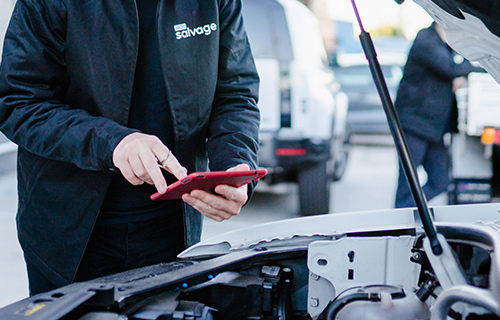
A complete service history does more than show your vehicle has been maintained—it gives buyers confidence that it's been cared for over time. Keep invoices, logbook entries and repair records together, as they can support a stronger resale value and make it easier to answer buyers' questions when you're ready to sell.
Are there any Adelaide-specific depreciation factors?
While the same principles apply across Australia, local market conditions can influence how quickly some vehicles sell. Demand, buyer preferences and the availability of similar vehicles all play a role in determining a car's market value.
How Adelaide compares with other Australian markets
Adelaide's used car market is generally more stable than larger metropolitan markets, but demand still varies by vehicle type. Practical family cars, SUVs and utes often remain in high demand, while niche models or vehicles with higher ownership costs may take longer to sell. Regardless of where you're buying or selling a car, condition and maintenance remain key considerations.
Why do the same valuation principles apply nationwide
Whether you're selling in Adelaide or elsewhere in Australia, buyers assess the same fundamentals. Kilometres, age, mechanical condition, and maintenance records all influence a vehicle's market value. While local demand can affect the final price, a well-maintained used vehicle with a complete history is more likely to hold its value than one that has been neglected.
How to slow your car's depreciation
While every vehicle loses value over time, there are practical steps you can take to minimise depreciation. Looking after your vehicle throughout ownership can help preserve its condition and support a stronger overall resale value.
- 01
Follow the recommended service schedule
Routine servicing and maintenance help keep your vehicle reliable and demonstrate that it has been properly cared for. Following the manufacturer's recommended service schedule can improve buyer confidence and contribute to stronger resale value.
- 02
Keep kilometres as low as practical
The more kilometres a car travels, the greater the likelihood of wear on major components. While regular driving is expected, avoiding unnecessary trips where practical can slow depreciation and help maintain a low odometer reading.
- 03
Repair damage promptly
Small cosmetic issues and minor mechanical faults can become more noticeable over time. Fixing them early helps keep your vehicle in good condition, creates a better first impression and may help it fetch a better price when you're ready to sell.
- 04
Maintain complete service records
Keep invoices, logbook entries and repair receipts together as records of its maintenance. A complete history reassures buyers that the vehicle has been well cared for, which can increase its value when you sell.
FAQs
What makes a car lose value the fastest?
High kilometres, poor maintenance, accident damage, and an incomplete service history are among the biggest reasons a vehicle depreciates quickly. A vehicle's age, popularity and buyer demand also affect its overall resale value.
How much do kilometres affect resale value?
Kilometres are one of the first things buyers compare when evaluating similar vehicles. A low odometer reading often increases buyer confidence, while higher mileage may reduce a vehicle's value, especially if servicing records are incomplete.
Do some brands depreciate faster than others?
Yes. Some car brands and models consistently hold their value better because they're known for reliability and attract strong buyer demand. Popular brands like Toyota often retain value better than less common models, though condition and maintenance remain equally important.
Can regular servicing improve resale value?
Regular servicing and maintenance won't stop depreciation, but they can help improve a car's appeal to buyers. A well-maintained car with documented service records is generally easier to sell and may command a higher resale price.
How can I reduce my car's depreciation?
While depreciation begins as soon as you drive a new car away, you can minimise how quickly it loses value. Follow the recommended service schedule, repair damage promptly, maintain complete service records and keep kilometres as low as practical to support stronger long-term resale value.
Understanding what really drives depreciation
Every vehicle loses value over time, but understanding the factors that influence depreciation can help you make better ownership and selling decisions. At 1800 Salvage, we've helped thousands of Australian vehicle owners understand the value of their cars through our transparent online valuation process.
By focusing on the factors you can control, you can support a stronger resale value and make selling your car a more informed, confident experience.
Table of contents