Key Takeaways
- A private sale can deliver a higher price, but it often requires more time, effort and negotiation.
- Professional car buyers offer a faster, more convenient selling experience, making them ideal if you value speed and certainty.
- Compare your options, understand your vehicle's value and choose the selling method that best matches your priorities.
Whether you're upgrading, downsizing or simply ready to part with your vehicle, one question often comes up: should you sell your car privately or to a professional car buyer? While a private sale can deliver a higher price, it also takes more time and effort. A professional car buyer, on the other hand, offers speed, convenience and greater certainty.
This guide compares both options to help you decide which approach best suits your priorities.
Should you sell privately or to a car buyer?
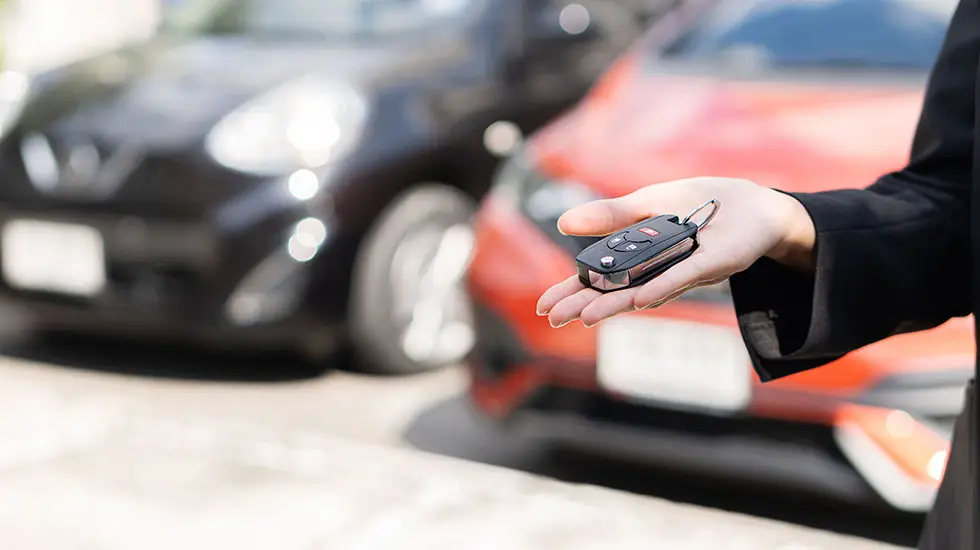
The right choice depends on what matters most to you. If your goal is to maximise your sale price and you're happy to manage the selling process yourself, a private sale may be the better option. If you prefer a quicker, simpler experience with less uncertainty, selling to a professional car buyer may be a better fit.
Both options have advantages. A private sale often yields a higher return, while a professional car buyer focuses on convenience, a fast turnaround, and a straightforward process. Understanding the trade-offs will help you make an informed decision rather than focusing solely on price.
Which option usually pays more?
In most cases, selling a car privately results in a higher sale price than selling to a professional car buyer. Private buyers are often willing to pay closer to market value because they're purchasing the vehicle for personal use rather than resale.
However, the highest selling price doesn't always provide the best overall outcome. Time, preparation, ongoing costs and the likelihood of completing the sale should all be considered before deciding which option offers the best value.
Why private sales often achieve a higher sale price
Private buyers generally pay more because they're purchasing the vehicle directly for themselves. Unlike businesses, they don't need to account for resale margins, transport costs or operating expenses when making an offer.
If your vehicle is in good condition and you're prepared to wait for the right buyer, a private sale can often maximise the amount you receive.
Why higher prices don't always mean better value
Receiving a higher offer is only one part of the equation. Selling privately also means creating listings, responding to enquiries, arranging inspections, negotiating with buyers and waiting for someone to commit.
There's also the possibility that an agreed sale won't proceed. Private sales commonly involve multiple inspections, ongoing negotiations and additional registration or roadworthy costs, with many vehicles taking months to sell.
Ready to see what your car could be worth?
Get a fast online valuation and compare your options with confidence. If you decide to sell, we'll provide a straightforward offer and organise collection at a time that suits you.
The hidden costs of selling a car privately
A private sale can achieve a higher price, but it's worth considering the time, effort and expenses involved. These hidden costs can reduce the overall value of selling your car privately.

Time spent creating listings and answering enquiries
Selling privately starts with creating an effective listing, taking quality photos and responding to enquiries. It may take days or weeks before you find a serious buyer.
Organising inspections and test drives
Private buyers often want to inspect and test drive the vehicle before making a decision. Coordinating suitable times can be difficult, especially if you work full-time.
Registration and roadworthy costs
Depending on your state, you may need to maintain your registration or obtain a roadworthy certificate before completing a private sale. If the deal falls through, these costs may need to be paid again.
Negotiating with buyers
Most private buyers expect to negotiate. Even after agreeing on a price, they may ask for further discounts following an inspection or test drive.
Deals that fall through
Not every interested buyer follows through. Some stop responding, while others change their minds at the last minute, meaning you have to start the process again. Private sales often take months to complete due to these delays.
Why do many sellers choose a professional car buyer
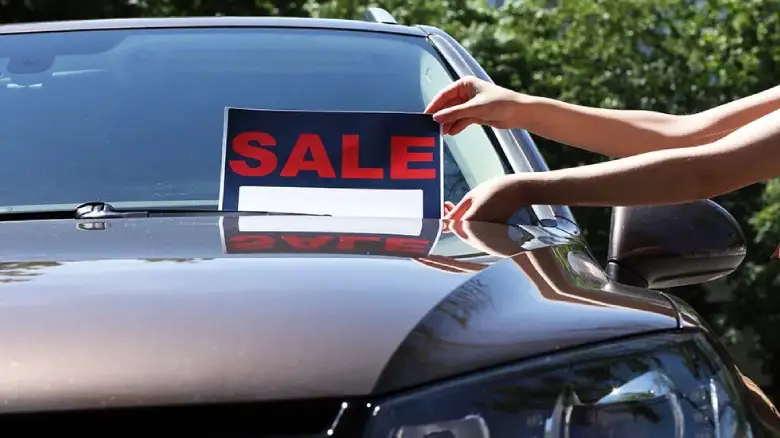
For many sellers, convenience is just as important as the final sale price. Professional car buyers simplify the process by reducing delays, handling the logistics and providing greater certainty from start to finish.
- Faster valuations
- Firm offers
- Fast vehicle collection
- Sell in any condition
Faster valuations and offers
Professional car buyers typically provide an online valuation and offer much sooner than waiting for enquiries from private buyers. This allows you to compare your options and make a decision faster.
Firm offers without last-minute negotiations
One of the biggest frustrations with private sales is having to renegotiate after an inspection. A professional car buyer provides greater certainty, helping reduce the risk of unexpected price changes before settlement.
Quick vehicle collection
Instead of arranging multiple inspections, professional car buyers can organise vehicle collection for you. At 1800 Salvage, many vehicles are collected the next day, with same-day collection available in some situations, making the process faster and more convenient.
Selling your car as-is
Many professional car buyers purchase vehicles in their current condition, so you may not need to spend money on repairs before selling. This can be particularly helpful if your vehicle is damaged, unregistered or no longer roadworthy. If that's your situation, you may also want to learn more about selling a salvage vehicle.
Which option is right for your situation?
The best way to sell your used car depends on your priorities. Consider the pros and cons of each option, including the time involved, expected return and how much hassle you're willing to take on.
When a private sale makes sense
A private sale is often the right choice if your vehicle is in good condition and you're prepared to advertise it, arrange inspections and wait for the right buyer. If maximising your sale price is your main goal, the extra effort may be worthwhile.
When selling to a car buyer is the better choice
A professional car buyer is ideal if you want a hassle-free sale with fewer delays and less uncertainty. It's also a practical option if your vehicle needs repairs, is unregistered, or you simply want to sell it quickly without investing more time or money.
Questions to ask before deciding
Before choosing how to sell your car, ask yourself:
- Is getting the highest price more important than saving time?
- Am I willing to advertise the vehicle and deal with enquiries?
- Do I want a quicker, more upfront selling process?
- Would I consider a dealership trade-in if I'm purchasing another vehicle?
- How much effort am I prepared to put into selling my car?
Comparing the two selling options
Both selling methods have benefits. While a private sale can often achieve a higher price, a professional car buyer offers greater convenience and certainty. If you're replacing your vehicle, a dealership trade-in may also be worth considering, though trade-in offers are typically lower than private-sale prices.
Sale price
Private sales generally achieve the highest return because you're selling directly to the end buyer. Professional car buyers and dealerships usually offer a lower price, reflecting the costs of resale, transport or reconditioning.
Time to sell
Selling privately can take weeks or even months, depending on buyer demand. A professional car buyer can usually complete the process much sooner, making it a better option if you're working to a tight schedule.
Convenience
Selling privately requires you to create listings, answer enquiries and organise inspections. A professional car buyer offers a more hassle-free experience by handling much of the process for you.
Certainty of sale
Private buyers may negotiate, request additional inspections or withdraw before settlement. Professional car buyers provide greater certainty, helping reduce the risk of deals falling through after you've accepted an offer.
Paperwork and preparation
A private sale may involve cleaning the vehicle, gathering documents and meeting roadworthy requirements, depending on your state. Professional car buyers generally simplify the paperwork, while dealerships may have additional requirements if the vehicle is part of a trade-in or financing arrangement.
How to get the best outcome, whichever option you choose
Whether you sell privately or to a professional car buyer, a little preparation can help you save time and make a more informed decision.
- 01
Know your vehicle's value
Research similar vehicles and get an online valuation before you decide how to sell. This gives you a realistic benchmark and helps you identify fair offers.
- 02
Set realistic expectations
A private sale may achieve a higher price, while a professional car buyer offers greater speed and convenience. Decide which outcome matters most before you begin.
- 03
Get your paperwork ready
Gather documents such as your registration details, service history and ownership records. Having everything ready can make the selling process smoother, regardless of which option you choose.
- 04
Compare your options
Don't accept the first offer you receive. Compare private sale opportunities, professional car buyers, and, if you're replacing your vehicle, dealership trade-in offers to find the option that best suits your needs.
FAQs
Do private sales always achieve a higher price?
Not always. While private sales can yield more money, the difference depends on your vehicle, local demand, and the time you're willing to invest.
How long does it take to sell a car privately?
It varies. Listing your car, responding to each enquiry, and arranging inspections or test drives can take days or even weeks before you find the right buyer.
Why do private buyers negotiate so much?
Private buyers want the best value and may negotiate after the car has been inspected. This is one of the advantages and disadvantages of selling privately.
Can I sell my car without a roadworthy?
The rules vary by state. In NSW and other parts of Australia, you may need to comply with different requirements before selling. Check your state's official guidance on selling a used car to understand your obligations before listing your vehicle.
When is a car buyer the better option?
A professional car buyer is ideal if you're in a hurry or want a more seamless experience. It can reduce paperwork, avoid dealing with potential scammers, and simplify the entire process. The same applies to larger vehicles.
Price isn't the only factor worth considering
The highest offer isn't always the best outcome. When comparing your options, consider the time, effort and certainty involved, as well as the final sale price. Whether you choose a private sale or a professional car buyer, understanding the trade-offs will help you make the right decision for your circumstances.
At 1800 Salvage, the focus is on providing a straightforward selling experience with transparent offers and convenient vehicle collection, so you can choose the option that best suits your needs.
Table of contents