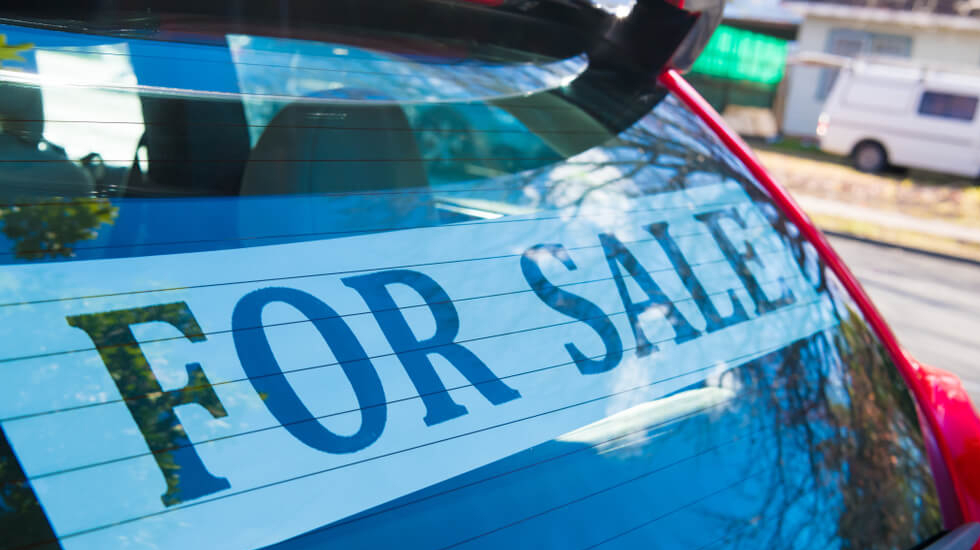
Perth’s used car market is shaped by many of the same forces seen across Australia, including buyer demand, vehicle availability and broader shifts in the automotive industry. While local conditions can influence individual sales, vehicle values in Western Australia generally follow similar patterns to those in Victoria, New South Wales and Queensland.
This guide explores current Perth car market trends, drawing on insights from 1800 Salvage’s vehicle-purchasing experience across Western Australia.
Which vehicles retain their value best in Perth?
In Perth, vehicles with broad buyer appeal tend to retain value most consistently. This usually includes practical models with a strong reputation, steady demand and lower perceived ownership risk.
The local market does not differ dramatically from other major Australian cities. In most cases, the same makes and models that perform well nationally also attract solid interest in Western Australia. Condition, kilometres, age and service history still have a major influence on the final value of any individual vehicle.
What we've observed from buying vehicles across WA
Our experience buying vehicles across Western Australia shows that Perth generally follows the same broad market movements as the rest of the country. Demand may rise or fall by model, fuel type or vehicle age, but there is rarely a major WA-only pricing pattern.
What matters most is how desirable the vehicle is to the wider used market, how much comparable inventory is available and whether buyers see it as a practical purchase.
The vehicles that consistently perform well
Vehicles with steady buyer interest tend to receive more consistent valuations, particularly when supply is limited and comparable models are selling regularly. Strong performance is rarely based on a single feature. It reflects a combination of usability, familiarity and confidence in the model.
Why Perth isn't as different as many people think
Although Perth is geographically isolated, online listings, interstate purchasing and national pricing data have made the Australian used car market more connected. In our experience, you could generally throw a blanket over the same popular makes and models across WA, Victoria, New South Wales and Queensland.
Individual prices still vary, but the broader hierarchy of desirable and less desirable vehicles remains similar.
The biggest trends we've seen
Recent market movements have been driven more by national supply and demand than by location alone. Changes in new-car availability, trade-in volume, and buyer confidence can quickly affect used-vehicle prices.
Interest has also continued to shift towards practical vehicles, while demand for some petrol, hybrid, electric and plug-in hybrid models can vary as ownership costs, charging access and new stock change. These movements influence the market, but they do not mean every vehicle within a category will perform the same.
The vehicles that typically hold their value best
Some vehicle categories tend to attract broader buyer interest than others, which can support stronger resale value over time. In Perth, the strongest performers are generally practical models with proven reliability, wide parts availability and a large pool of potential buyers.
- 4WDs and SUVs
- Dual-cab utes
- Japanese and Korean vehicles

Popular 4WDs and SUVs
Well-known 4WDs and SUVs often remain desirable because they suit family use, towing, touring and regional travel. Models with strong reputations and reasonable running costs can retain value particularly well when they have been properly maintained and not heavily modified.
Dual-cab utes
Dual-cab utes appeal to both private and commercial buyers, giving them a broad resale market. Popular models such as the Ford Ranger and Toyota HiLux can remain in demand because they combine work capability with everyday practicality.
Resale value can still drop quickly when a ute has high kilometres, visible work-related wear or an unclear service history.
Reliable Japanese and Korean brands
Established Japanese and Korean brands often perform steadily in the used market. Vehicles such as the Toyota Corolla and popular Hyundai models appeal to buyers seeking dependable transport, accessible servicing and manageable ownership costs.
Their broad familiarity can also make them easier to compare, value and resell than less common models.
Why these vehicles remain in demand
These vehicle types serve clear everyday needs and are familiar to Australian buyers. Their resale strength is commonly supported by:
- A large pool of potential buyers
- Proven reliability
- Readily available parts and servicing
- Practicality for work, family or travel
- Predictable ongoing costs
- Strong recognition in the used car market
A popular badge alone does not guarantee a high price. Age, kilometres, condition, variant and maintenance history will still shape the value of each vehicle.
What makes a vehicle retain its value?
Resale value is not determined by age alone. Vehicles tend to hold value when buyers expect them to remain dependable, affordable to own and straightforward to maintain. These factors influence how confidently the market prices a used car.
Reliability and reputation
Models with a proven reliability record often attract stronger buyer interest because they are seen as lower-risk purchases. A positive reputation can support resale demand, particularly when the vehicle has been maintained in line with the manufacturer’s schedule
Demand in the used car market
A vehicle retains value more easily when there is a steady pool of buyers looking for that make, model and body type. Demand may be influenced by lifestyle needs, fuel preferences, commercial use and the availability of similar vehicles.
When buyer interest weakens or too much inventory enters the market, prices may fall even if the vehicle is still in good condition.
Availability of replacement parts
Widely available parts can make a vehicle cheaper and easier to service over its life. Buyers may be more cautious about uncommon or discontinued models if repairs require imported components, specialist labour or longer waiting periods.
Ongoing ownership costs
Fuel use, insurance, registration, servicing and repair costs all affect how attractive a used vehicle appears. Cars with predictable running costs often appeal to a wider market, while expensive maintenance or high fuel consumption can reduce demand and place downward pressure on resale value.
Do Perth buyers value different vehicles?
Perth buyers have some local preferences, but the WA used car market generally follows the same pricing patterns seen across Australia. Differences in average sale price are more often linked to vehicle condition, kilometres, supply and buyer competition than to the state itself.
Local demand compared with other states
Western Australian buyers may place greater value on vehicles suited to long-distance driving, towing and regional travel. However, this does not usually create a completely separate market.
The makes and models achieving strong car sales in Perth are often the same vehicles performing well in New South Wales, Victoria and Queensland. Even when one category records growth or a temporary surge in demand, the shift is rarely limited to WA.
Why national market trends often influence Perth prices
New vehicle sales, dealership inventory and the supply of trade-ins influence used car prices nationwide. When new stock is limited, more buyers may enter the used market, increasing competition for available vehicles. When supply improves, used values can soften as buyers gain more choice.
National data also shows how buyer preferences can shift over time. According to the Australian Infrastructure and Transport Statistics Yearbook, SUVs accounted for 59% of new motor vehicle sales in 2024–25, up from 33% ten years earlier. This broader growth helps explain why popular SUVs continue to attract strong interest in the used market.
When regional demand can affect resale value
Regional demand can strengthen the market for vehicles suited to work, farming, mining, or long-distance travel. This can support interest in selected utes, SUVs and 4WDs outside Perth. However, owners should also consider how long-distance driving affects car value, particularly when it contributes to higher kilometres or additional wear.
Demand may also vary for petrol, hybrid, electric and plug-in hybrid vehicles. For example, a PHEV may appeal more strongly where buyers have reliable access to charging and primarily make shorter trips. These local differences can influence individual private sales, but they rarely overturn the broader national pattern.

Tip: Compare like-for-like vehicles
When researching resale value, compare your car with vehicles of the same year, variant, fuel type and similar kilometres. A higher-spec model or better-maintained example may achieve a very different price, even when the badge and body style are the same.
Which vehicles depreciate the fastest?
Vehicles tend to lose value more quickly when buyer demand is limited, or ownership appears costly, uncertain or inconvenient. Depreciation can also accelerate when a car’s condition, kilometres, or history make it harder to compare with cleaner examples in the used market.
Less popular makes and models
Uncommon makes, discontinued models and vehicles with a smaller buyer pool can be harder to resell. Even when the car is mechanically sound, limited demand may lead to longer selling times and lower offers.
Luxury vehicles
Luxury cars often experience steeper depreciation because their new-car prices are high, while servicing, insurance, and replacement parts can remain expensive. As the vehicle ages, buyers may also become more cautious about complex electronics and potential repair costs.
High-kilometre vehicles
Higher kilometres generally reduce resale value because buyers expect more wear across the engine, transmission, suspension and interior. The impact depends on the model, age and service history, but a high-kilometre vehicle will usually sell for less than a similar example with lower use.
Cars with poor service histories
A missing or incomplete service history can create uncertainty about how well the vehicle has been maintained. Buyers may assume repairs have been delayed or overlooked, which can reduce confidence and lower the vehicle’s value.
Visible damage, warning lights and inconsistent records can compound this effect, even when the car still runs.
How to maximise your resale value in Perth
You cannot control every market shift, but you can make your vehicle easier to value and more appealing to buyers. The strongest results usually come from consistent maintenance, clear records and choosing the right time to sell.
Maintain a complete service history
Keep logbooks, invoices and receipts together so buyers can see when servicing and repairs were completed. A clear history reduces uncertainty and can help your vehicle stand out from similar models with missing records.
Keep kilometres under control where possible
Lower kilometres can support resale value, especially when compared with vehicles of the same age and condition. Avoiding unnecessary trips may help, but regular use is not inherently a problem when the vehicle has been properly serviced.
Stay on top of cosmetic and mechanical repairs
Small issues can make a vehicle appear neglected. Fix warning lights, fluid leaks, worn tyres and minor body damage where the repair cost is reasonable. Cleaning the interior and exterior before valuation can also present the car more positively.
Sell while demand is strong
Timing can affect the final result. Demand may strengthen when comparable inventory is limited or when a particular body type becomes more popular. Watch broader market trends rather than relying on a single month of car sales data, and avoid waiting until the vehicle needs major repairs or has accumulated significantly higher kilometres.
Find out what your vehicle could be worth
Market trends can provide a useful guide, but your vehicle’s value depends on its make, model, age, kilometres, condition and history. Get a fast online valuation from 1800 Salvage and receive an offer based on your vehicle’s details.
FAQs
Which cars hold their value best in Perth?
Popular 4WDs, SUVs, dual-cab utes, and dependable Japanese or Korean models often hold their value well. However, the highest resale value usually goes to vehicles that combine strong demand with reasonable kilometres, good condition and a complete service history.
Do SUVs and 4WDs depreciate more slowly?
Many popular SUVs and 4WDs depreciate more slowly because they appeal to families, tradespeople and regional drivers. This is not guaranteed, as fuel costs, modifications, mechanical condition and model reputation can all affect resale value.
Do Perth vehicle prices differ from the rest of Australia?
Not significantly in most cases. Perth prices may move slightly with local supply or regional demand, but the WA used car market generally follows the same makes, models and broader trends seen in other states.
What makes a car retain its value?
Strong reliability, consistent buyer demand, availability of replacement parts, and manageable ownership costs can help a vehicle retain its value. Age, kilometres, maintenance records and overall condition also influence what buyers are prepared to pay.
How can I improve my car's resale value?
Keep servicing up to date, retain invoices and logbooks, repair visible problems and present the vehicle cleanly. Selling before major mechanical work is required may also help protect its remaining value.
Choosing a vehicle with long-term resale value
A vehicle with strong resale potential should suit your needs now without becoming difficult or expensive to own later. Look beyond the badge and consider reliability, servicing costs, parts availability, kilometres and ongoing buyer demand.
Perth generally follows the same broad used-car trends as the rest of Australia, so choosing a practical, well-supported model is often more important than trying to predict the uniquely Western Australian market. Even then, condition and maintenance will play a major role in the final result.
When it is time to sell, a vehicle-specific valuation will give you a clearer picture than national averages or general resale rankings. Owners looking to sell a damaged, unregistered or non-roadworthy vehicle can also explore 1800 Salvage’s vehicle buying service in Perth.
Table of contents


Related articles


How to sell my car in Perth
Get the most from your car sale in Perth with our helpful guide. From preparation to paperwork, we’ve got you covered. Ready to sell? Let’s get started!
Read about it

Where to sell my car in Perth
Deciding where to sell your car in Perth? Our guide compares options so you can find the best fit—whether you want speed, value, or convenience. Start now!
Read about it
How to sell a written-off car in Perth
Learn how to legally sell a written-off car in Perth. Our guide breaks down your options, paperwork requirements, and tips for a smooth sale. Get started today!
Read about it