
Melbourne drivers spend plenty of time navigating congested roads, busy intersections and slow-moving traffic. Over time, that can raise questions about whether city driving affects a vehicle’s condition and how much it may be worth when it is time to sell.
This guide examines the relationship between Melbourne traffic and car depreciation, including stop-start wear, maintenance, resale factors, and buyer demand.
Does Melbourne traffic really make your car depreciate faster?
Melbourne traffic can accelerate wear on certain components, but it does not automatically cause a sharp drop in your car’s value. Stop-start driving may place more demand on brakes, clutches, transmissions and batteries, particularly when combined with frequent short trips.
However, buyers assess the vehicle as a whole. A car that has been serviced on time, kept in good mechanical condition and repaired when issues arise may retain its value well despite regular city driving. Traffic is one factor in depreciation, not the deciding factor.
What we've observed from valuing vehicles across Melbourne
Based on our valuation and auction experience, Melbourne vehicles do not consistently show more wear than cars from other parts of Australia. In many cases, they achieve similar or stronger auction results.
That suggests location alone is not a reliable indicator of value. The condition of the individual vehicle and the level of buyer interest usually tell us far more.
Melbourne vehicles don't necessarily show more wear
A Melbourne registration or city driving history does not automatically signal excessive wear. Some vehicles arrive with signs of heavy use, while others have been carefully maintained despite spending years in urban traffic.
The same variation appears across regional areas and other capital cities. Buyers, therefore, assess the vehicle in front of them rather than applying a standard discount for Melbourne driving.
Why Melbourne remains one of Australia's strongest vehicle markets
Melbourne is one of 1800 Salvage’s largest markets, with a broad network of licensed buyers competing across different makes, models and vehicle conditions.
This broader buyer pool can support stronger auction activity, particularly when a vehicle aligns with current demand. Even where a car has mechanical issues or visible wear, there may be buyers interested in cash for cars that require repair, parts, dismantling or resale.
The biggest trends we've seen
The most common concerns are usually linked to neglected servicing rather than traffic itself. Issues such as oil entering the coolant system or alternator failure can develop when maintenance is delayed or when warning signs are ignored.
Vehicles with clear service records and promptly addressed faults tend to present more confidently at valuation. Those with unresolved mechanical issues create more uncertainty for buyers, which can affect the offer.
Does stop-start traffic damage your car?
Stop-start traffic does not damage every car at the same rate, but it can accelerate wear on components that work repeatedly in urban driving. The effect on resale value depends on whether that wear is managed or develops into mechanical problems before an inspection or sale.
- Increased brake wear
- Clutch and transmission stress
- Engine idling and fuel efficiency
- Battery performance in urban driving
Different makes and models also respond differently. A manual car may experience more clutch wear, while newer vehicles may use fuel-efficient technology designed to handle frequent stopping and idling.

Increased brake wear
Driving through congested roads requires frequent braking, which can wear brake pads and rotors faster than steady motorway driving. The vehicle’s weight, the driver’s habits and the average distance travelled in traffic can all affect the rate of wear.
Brake wear is expected maintenance rather than permanent damage. However, grinding noises, vibration through the wheel or overdue repairs can reduce buyer confidence and affect the price they are willing to pay.
Clutch and transmission stress
In a manual vehicle, repeatedly engaging the clutch in slow traffic can accelerate wear, particularly if the driver holds the car on the clutch or rides the clutch. Automatic transmissions may also generate additional heat as they shift frequently at low speeds.
Traffic-related use does not automatically mean the transmission is faulty. Buyers are more likely to focus on warning signs such as delayed gear changes, slipping, shuddering or unusual noises, as these issues may decrease the vehicle’s market value.
Engine idling and fuel efficiency
Extended idling keeps the engine running without adding kilometres to the odometer. It can increase fuel consumption and operating hours, while frequent short trips may prevent the engine from consistently reaching its ideal operating temperature.
This can affect your car’s efficiency, but it does not necessarily make the vehicle unreliable. Regular oil changes and servicing suited to the owner’s driving pattern help limit the impact of urban use.
Battery performance in urban driving
Short trips and repeated stop-start journeys may give the alternator less time to restore the battery’s charge. Vehicles with stop-start technology also place greater demands on batteries designed to support that feature.
A weak battery may cause slow starting, warning lights or electrical issues. Replacing it promptly can prevent inconvenience and protect resale value, while leaving the problem unresolved may create concerns during a buyer’s inspection.
Traffic-related mechanical wear should also be considered separately from visible condition. A dent, scratch, interior stain, rust, suspension fault or accident history may influence a buyer’s offer for different reasons and will be covered in the later depreciation section.
Why maintenance matters more than traffic
Traffic may add gradual wear, but neglected maintenance is more likely to create the mechanical problems that reduce a car’s value. Servicing gives technicians the chance to replace worn parts, check fluid levels and identify faults before they become more expensive to repair.
For car owners planning to sell, a well-maintained vehicle is generally easier to assess and gives buyers more confidence in its condition.
The cost of skipping scheduled servicing
Missing scheduled services can allow minor problems to develop unnoticed. Old engine oil, low coolant, worn belts and contaminated fluids may place extra strain on major components and increase the risk of breakdowns.
The longer maintenance is delayed, the more likely repair costs are to rise. This can affect the final sale price if a buyer needs to account for immediate mechanical work.
Common mechanical issues we encounter
Some of the most common issues we see are linked to neglected service schedules rather than Melbourne traffic. These include oil entering the coolant system and alternator failure.
Both problems can affect reliability and may require further inspection before a vehicle can be valued confidently. Warning lights, overheating, charging problems or unusual engine behaviour should be addressed early rather than left until the car is ready for sale.
How service history influences resale value
A complete service history shows that the owner has followed the manufacturer’s maintenance schedule and responded to issues as they arose. It can also help explain when major components, fluids and wear items were last replaced.
Buyers may be willing to pay more for a vehicle with clear records because there is less uncertainty about its condition. Missing or inconsistent records do not automatically make a car unsellable, but they can make it harder to support a stronger valuation.
What actually has the biggest impact on depreciation?
Traffic is only one part of a vehicle’s history. When buyers assess market value, they usually look at a combination of age, kilometres, mechanical condition, accident history and demand for the particular make and model.
These factors can influence value differently, which is why two similar cars may receive very different offers.
- Vehicle age
- Kilometers travelled
- Mechanical condition
- Accident history
- Make and model
- Market demand
Vehicle age
Most vehicles depreciate fastest in their earlier years, then lose value at a slower rate as they get older. Age also affects how buyers view technology, safety features, fuel efficiency and the expected life of major components.
A well-kept older car may still attract interest, but age usually places a natural limit on what buyers are willing to pay.
Kilometres travelled
Kilometres provide a quick indication of how heavily the vehicle has been used. Higher kilometres can suggest more wear across the engine, suspension, transmission and interior, although the type of driving and maintenance record still matter.
A high-kilometre car with consistent servicing may present better than a lower-kilometre vehicle with a neglected history.
Mechanical condition
Mechanical faults can have an immediate effect on price because buyers may need to factor in inspection, repair and transport costs. Engine problems, transmission issues, suspension wear and electrical faults can all reduce confidence in the vehicle.
The severity of the issue matters more than the fact that a fault exists. A minor repair may have a limited impact, while a major mechanical failure can significantly decrease value.
Accident history
An accident does not always make a car difficult to sell, but the quality of repairs and the extent of the damage are important. Buyers may check whether structural areas were affected, whether replacement parts were used and whether the work was properly completed.
Visible signs such as mismatched paint, dents or panel gaps may also influence the offer. A clear accident history and repair record can help reduce uncertainty.
Make and model
Some makes and models hold value better because they have a reputation for reliability, lower running costs or easier access to parts. Brand strength can also affect buyer confidence, particularly in a competitive used car market.
Vehicles with costly repairs, limited parts availability, or weaker demand may depreciate faster.
Market demand
Depreciation is not based on condition alone. Buyer demand can lift or lower the market value of a vehicle depending on fuel prices, industry trends, availability and changing preferences.
Popular utes, SUVs, fuel-efficient cars and certain salvage models may attract stronger competition. When more buyers are interested, the final price can be higher even if the vehicle has some wear or damage.
Why Melbourne vehicles often perform well at auction
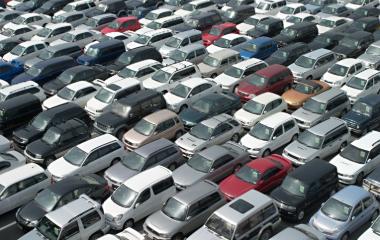
Melbourne vehicles can achieve strong auction results because they are exposed to an active network of licensed buyers with varied purchasing needs. That competition can help support the vehicle's value, even when it has age-related wear, mechanical issues, or cosmetic damage.
A larger buyer pool
A broad buyer pool means different vehicles can appeal for different reasons. One buyer may be interested in repair potential, while another may value the parts, components or resale opportunity.
This gives the owner access to multiple types of buying interest and reduces reliance on a single private offer.
Strong competition between buyers
Competition can encourage stronger bidding when a vehicle matches current demand. The final result still depends on condition, make, model and repair requirements, but an auction allows multiple buyers to assess the same asset.
That can produce a more market-led outcome than a one-to-one sale, where the offer reflects only one buyer’s budget and priorities.
Why market demand offsets common assumptions about city driving
Some buyers may expect a city-driven car to show more wear, but those assumptions are tested against the vehicle’s actual condition and usefulness.
Demand may help offset minor wear when the vehicle still offers:
- A desirable make or model
- Usable parts and components
- Repair or resale potential
- A clear maintenance history
- Limited structural or mechanical damage
Weather exposure, storage and servicing are also considered as part of the vehicle’s complete history rather than treated as automatic value deductions.
How to minimise depreciation if you drive in Melbourne traffic
Regular city driving does not have to significantly affect your car’s value. A few practical habits can help reduce wear, support reliability and protect resale value over time.
Stay on top of servicing
Follow the manufacturer’s service schedule and adjust it where needed for frequent urban driving. Pay attention to engine oil and coolant, brake wear, transmission or clutch condition, battery health, and tyre pressure.
Transport Victoria also recommends checking tyres regularly because they play a critical role in braking, steering and overall road safety.
Address warning signs early
Small issues can become costly faults when ignored. Book an inspection if you notice warning lights, overheating, unusual engine or transmission noises, vibration through the steering wheel, slow starting or electrical problems. Addressing these signs early can help prevent further damage and protect your car’s resale value.
Keep accurate maintenance records
Service records, invoices and repair receipts help show how the vehicle has been cared for.
Good records can:
- Confirm scheduled servicing
- Show when parts were replaced
- Explain previous repairs
- Give buyers more confidence
- Support a clearer valuation when you sell your car
Don't delay necessary repairs
Putting off repairs may reduce the vehicle’s reliability and lead to further damage. This is especially important for cooling system, brake, alternator, suspension and transmission issues.
For car owners planning a sale, completing essential repairs early can help avoid last-minute surprises and make the vehicle easier to assess.
FAQs
Does Melbourne traffic reduce resale value?
Not by itself. Traffic can contribute to wear on brakes, clutches, transmissions and batteries, but buyers usually place more weight on the vehicle’s overall condition, service history, kilometres and mechanical issues.
Is stop-start driving bad for your car?
Stop-start driving can increase wear on certain components, particularly in manual vehicles or cars used mainly for short trips. Regular servicing and early repairs can help limit the long-term impact.
Does regular servicing matter more than driving conditions?
In many cases, yes. A well-maintained city-driven car may hold its value better than a vehicle driven in lighter traffic but serviced inconsistently. Maintenance records also help buyers assess how the car has been cared for.
Why do Melbourne vehicles perform well at auction?
Melbourne vehicles can attract interest from a broad pool of licensed buyers. Competition between buyers may support stronger results when the make, model, condition or available parts suit current demand.
What's the biggest cause of car depreciation?
There is no single cause. Age, kilometres, mechanical condition, accident history, make and model, and market demand all influence how quickly a vehicle loses value.
Find out what your car is worth
Melbourne traffic is only one factor in your vehicle’s value. Get a fast online valuation based on its condition, history and current buyer demand.
Traffic isn't the biggest factor behind depreciation
Melbourne traffic can increase wear on brakes, batteries and transmission components, but it does not determine your car’s value on its own.
The strongest influences are usually:
- Vehicle age and kilometres
- Mechanical and cosmetic condition
- Service and repair history
- Accident history
- Make, model and buyer demand
A city-driven vehicle that has been maintained properly can still achieve a solid result. When it is time to sell your car, an individual valuation provides a clearer picture than assumptions based on where it has been driven.
Table of contents


Related articles

How long does it take to sell a car in Melbourne
Selling your car in Melbourne? It’s like finding a good spot at the beach on a sunny day—sometimes it’s quick, sometimes it takes a bit of patience. Whether you're after a speedy sale or squeezing out every dollar, this guide will help you figure out how long it might take to offload your wheels and get back on the road.
Read about it

What you can do with your old car in Melbourne
It’s another beautiful four-season day in Melbourne, but you’re too stressed about your banged-up, undrivable scrap car to enjoy it. Whether your vehicle is no longer running, too expensive to repair, or just taking up space, there are plenty of options available. From selling and recycling to donating or trading in, each choice has its own benefits and considerations. In this guide, we’ll explore all the possibilities to help you make the best decision for your old car.
Read about it

How to get the best price for my car in Melbourne
Selling your car in Melbourne can feel overwhelming, especially if it's undriveable or written off. But don’t stress — we’re here to help you get the best price without the usual hassle. From online platforms to trade-ins, we’ll walk you through each option, highlighting the pros and cons, so you know exactly where your car fits in the market. By the end of this guide, you'll have a clear path to turn your old vehicle into the most cash possible.
Read about it