Hobart’s cold, wet climate can shape how buyers assess a vehicle, but its effect on resale value is not always straightforward. Visible weather-related damage may influence a valuation, yet local market conditions and the vehicle itself also play an important role.
This guide looks at how weather affects car value in Hobart, what we have observed from vehicles purchased in the region and why local resale prices can differ from those on the mainland.
Does Hobart's climate really lower your car's value?
Not automatically. Cold and wet weather may affect a car’s value when it leads to visible rust, moisture damage, faded paint or additional wear and tear. However, the climate itself does not reduce the resale value of every vehicle in Hobart.
A car valuation looks at the vehicle’s actual condition rather than making assumptions based on location. A well-maintained car with no weather-related damage may hold its value well, even after years of driving in Tasmania.
What we've observed from buying vehicles in Hobart
Based on vehicles assessed and purchased over the past six months, Hobart cars do not generally show more weather-related damage than vehicles from major mainland cities. The larger difference is in the local vehicle market and the overall mix of cars available.
How Hobart compares with mainland Australia
Compared with vehicles assessed in Melbourne, Sydney and Brisbane, Hobart cars are not consistently more affected by rust, moisture or exterior wear. Cold and wet conditions may influence an individual vehicle, but we have not seen evidence that Hobart cars are broadly in poorer condition because of the climate alone.
Why weather isn’t usually the biggest factor
Location can shape buyer expectations, but a car’s actual condition carries more weight during a valuation. Buyers are more likely to focus on visible damage, mechanical issues and how well the vehicle has been maintained than on Hobart’s weather itself.
The trends we’ve consistently seen
The Hobart vehicles we assess tend to be older and have travelled more kilometres than those seen in larger mainland markets. There are also fewer licensed buyers competing for vehicles locally. Together, these trends can place more downward pressure on resale value than cold or rain.
Why Hobart vehicles often have lower resale values
Lower resale values in Hobart are usually shaped by the local market and the types of vehicles being sold, rather than weather alone.

Less buyer competition at auction
Hobart has a smaller pool of licensed buyers than larger mainland cities. With fewer bidders competing for the same vehicle, auction prices may not be pushed as high, even when the car is in reasonable condition.
An older average vehicle fleet
Many vehicles assessed in Hobart are older than comparable cars seen in Melbourne, Sydney or Brisbane. As a car ages, depreciation, wear and the likelihood of repairs generally have a greater influence on its market value.
Higher average kilometres
Hobart vehicles often arrive with higher mileage. More kilometres can suggest greater mechanical wear, which may reduce buyer confidence and affect the final resale price.
Smaller local market demand
Demand can vary by vehicle type, make and condition. A ute, SUV or hatchback that attracts strong interest elsewhere may have fewer potential buyers in Hobart, limiting what the local market is prepared to pay.
Does Hobart's wet weather cause more rust?
Wet weather conditions can increase the risk of corrosion, but they do not automatically lower a car’s resale value. What matters is whether rust is present, where it appears and how far it has spread.
What we typically see during inspections
Hobart vehicles do not consistently show more rust than similar vehicles assessed on the mainland. During an inspection, car buyers are more likely to check areas where moisture can collect, including:
- Wheel arches and underbody panels
- Door sills and drainage points
- Around the windscreen and boot seals
- Paint chips, scratches and dents
- Tyre wells and exposed metal components
Surface marks may have a limited effect on perceived value, while corrosion affecting structural or mechanical parts can reduce the final price.
Why climate alone doesn't explain resale values
A used car can remain in great shape despite years of cold and wet weather when it has received regular maintenance and prompt repairs. Service records and a clear maintenance history can also reassure buyers that weather-related issues have been addressed.
Two similar vehicles may receive different valuations based on how they have been stored, serviced and driven. This is why an accurate car valuation depends on several factors, not just the postcode.
When rust genuinely affects a vehicle's value
Rust is more likely to affect your car’s market value when it:
- Spreads beneath paint or around a scratch
- Weakens structural or roadworthy components
- Requires costly panel or underbody repair
- Suggests ongoing water entry or poor maintenance
- Makes the vehicle harder to resell through the automotive industry
Even if the car still runs well, significant corrosion may reduce buyer confidence and cause it to lose value. Addressing small areas early can help protect the car’s resale value when you’re ready to sell.
Why some Hobart vehicles are sold on the mainland
For higher-value vehicles, the strongest local offer is not always the best possible result. In some cases, transporting the car to Melbourne can create more buyer competition and support a higher resale price.
Transporting vehicles to Melbourne
When a Hobart vehicle has strong resale potential, one may arrange transport to Melbourne before it is offered to licensed buyers. This is more common for newer cars, lower-mileage vehicles and popular makes and models such as Toyota, Mazda or Nissan.
Certain SUVs, utes and hatchbacks may also hold their value better when exposed to a larger pool of buyers. The decision depends on the caris value, expected demand, and whether the likely uplift can justify the freight cost.
When interstate auctions produce better results
Mainland auctions can attract more licensed car buyers, dealerships and automotive industry participants. More competition may help a desirable vehicle fetch a stronger result than it would in a smaller local market.
Key factors include:
- The vehicle’s age, condition and service history
- Demand for that make, model and body type
- Whether it has modern infotainment or ANCAP safety features
- Interest in electric vehicles or fuel-efficient models
- The values achieved by similar vehicles in Melbourne
These factors can matter whether the seller is comparing a direct sale, trade-in or other car-buying option.
How freight costs influence selling decisions
Transport only makes sense when the expected higher resale value is likely to cover the cost of moving the vehicle. A valuable, roadworthy car may justify the trip, while an older vehicle that will continue to depreciate may be better sold locally.
Before choosing a market, you should consider the likely final price, freight, buyer demand and the vehicle’s overall condition. Insurance costs and handling requirements may also affect the calculation. This helps determine whether an interstate sale is likely to improve the result when it comes to selling.
What has the biggest impact on a Hobart car's value?
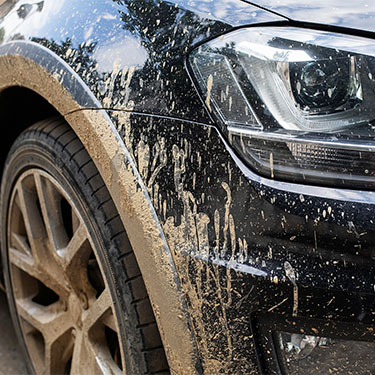
An accurate car valuation in Hobart depends on several factors working together. Weather may affect a vehicle’s condition, but the following details usually have a stronger influence on the caris value.
Vehicle age
Most vehicles depreciate as they get older, although the rate varies by make, model and demand. Some Toyota, Mazda and Nissan vehicles may hold their value better than less sought-after alternatives, particularly when they remain in good condition.
Age also affects how buyers view safety, reliability and technology. Newer infotainment systems, driver-assistance features and strong ANCAP safety ratings may support a higher resale value.
Kilometres travelled
Lower-mileage vehicles often attract more interest because buyers may expect less mechanical wear and a longer usable life. However, kilometres should be considered alongside age, service history and how the vehicle has been driven.
A well-maintained ute or SUV with higher kilometres may still fetch a competitive offer, while a low-mileage car with signs of neglect can lose value.
Mechanical condition
Mechanical issues can quickly reduce a car’s market value, especially when repairs are expensive or the vehicle is not roadworthy. Buyers may consider the condition of the engine, transmission, brakes, suspension and tyres during an inspection.
For electric vehicles, battery condition and remaining range may be key factors. Repair complexity, parts availability and insurance costs can also influence the final price.
Service history
A complete service history shows that regular maintenance has been carried out and can give buyers greater confidence. Service records may also help confirm when major work, such as timing belt replacement or transmission servicing, was completed.
When it comes to selling, documented maintenance can improve the perceived value of a used car, particularly when compared with similar vehicles that have limited records.
Market demand
Demand changes between locations and vehicle categories. SUVs and utes may attract stronger interest than certain sedans or hatchbacks, while fuel prices, lifestyle needs and new-car availability can shift car-buying trends.
The same car may receive a different valuation through a Hobart dealership, a trade-in or a specialist marketplace. Looking at recent sales of similar vehicles provides a more reliable guide than relying on a generic online calculator alone.
How to maximise your resale value in Hobart
You cannot control the weather, but you can control how well your vehicle is maintained, presented and documented. These practical steps can help protect your car’s resale value before you are ready to sell.
Keep up with regular servicing
Follow the recommended service schedule and keep all service records together. A complete service history gives potential buyers confidence that the vehicle has received regular maintenance and that mechanical issues have not been ignored.
Make sure routine items such as tyres, brakes, fluids and batteries are checked. For electric vehicles, retain battery health reports and charging records where available.
Address rust before it spreads
Inspect common moisture-prone areas, including wheel arches, door sills, the underbody and around window seals. Small areas of surface rust may be easier and less expensive to repair before they affect structural components.
Paint chips, scratches and dents should also be addressed where practical, as exposed metal can deteriorate faster in cold and wet weather conditions.
Present your vehicle well
A clean, tidy car creates a stronger first impression and may improve its perceived value. Wash the exterior, clean the interior and remove personal items before an inspection.
Check that key features are working, including lights, air conditioning, infotainment and safety systems. Presentation will not hide major faults, but it can show buyers that the car has been looked after.

Tip: Keep evidence of how your car has been maintained
A clean car helps at inspection, but documents can add even more confidence. Keep service records, repair invoices, tyre receipts and any recent roadworthy or inspection reports together.
Ready to find out what your car is worth?
Get a fast, vehicle-specific valuation based on its condition, location and current buyer demand. 1800 Salvage makes it simple to sell your vehicle with a transparent offer, fast payment and collection arranged.
FAQs
Does Hobart's weather reduce car values?
Not by itself. Hobart’s cold, wet weather may affect a car’s resale value when it contributes to rust, moisture damage, or exterior wear. However, an accurate car valuation also considers age, kilometres, mechanical condition, service history and buyer demand.
Are Hobart cars more prone to rust?
Our inspections do not suggest that Hobart vehicles consistently have more rust than comparable mainland cars. Risk depends on how the vehicle has been stored, cleaned and maintained, as well as whether scratches, dents or damaged seals have exposed metal to moisture.
Rust is more likely to affect the final price when it reaches structural areas, raises roadworthiness concerns, or requires significant repairs.
Why are used car prices lower in Tasmania?
Tasmania has a smaller used-car market than the major mainland states, which can mean fewer buyers competing for the same vehicle. The Hobart vehicles we assess also tend to be older and have higher kilometres.
The Australian Bureau of Statistics provides regional population data that helps explain why Hobart has a smaller buyer pool than cities such as Melbourne, Sydney and Brisbane.
Why are some Hobart vehicles sold in Melbourne?
Some higher-value vehicles are transported to Melbourne because a larger auction market can create stronger competition among licensed buyers.
This only makes sense when the expected increase in the final price is enough to cover freight across Bass Strait. The Australian Government’s information on the Tasmanian Freight Equalisation Scheme explains the additional transport challenge involved in moving freight between Tasmania and the mainland.
How can I improve my car's resale value?
Keep up with regular servicing, retain your service records and address small rust spots, scratches or dents before they become more serious. It also helps to clean the vehicle and check that its tyres, lights, infotainment and safety systems are working.
For newer cars, buyers may also review the vehicle’s ANCAP safety rating when comparing similar models. Before you’re ready to sell, request an accurate car valuation based on the vehicle itself rather than relying only on a generic calculator.
Looking beyond the weather when valuing your car
Hobart’s cold and wet conditions may affect an individual vehicle, but they rarely determine its value on their own. Based on the vehicles we assess, age, kilometres, mechanical condition, service history and buyer demand usually have a greater influence on the final price.
When valuing your car, focus on its actual condition rather than assumptions about where it has been driven. An accurate car valuation in Hobart considers the vehicle itself, recent sales of similar cars and current market demand. This gives you a clearer idea of what your car is worth before you decide how or where to sell it.
Table of contents


Related articles

Where to sell your car in Hobart
Selling your car in Hobart has never been easier. Discover where to sell, who to trust, and how to get a quick, fair offer with instant payment options.
Read about it
How to sell your car in Hobart
Want to sell your car fast in Hobart? Skip the hassle of private sales; 1800 Salvage offers fast cash for cars and instant quotes Tasmania-wide.
Read about it

Selling an old or damaged vehicle in Hobart
Learn how to sell an old or damaged car in Hobart. Get a simple checklist, tips for selling, and a free quote from trusted car buyers at 1800 Salvage.
Read about it