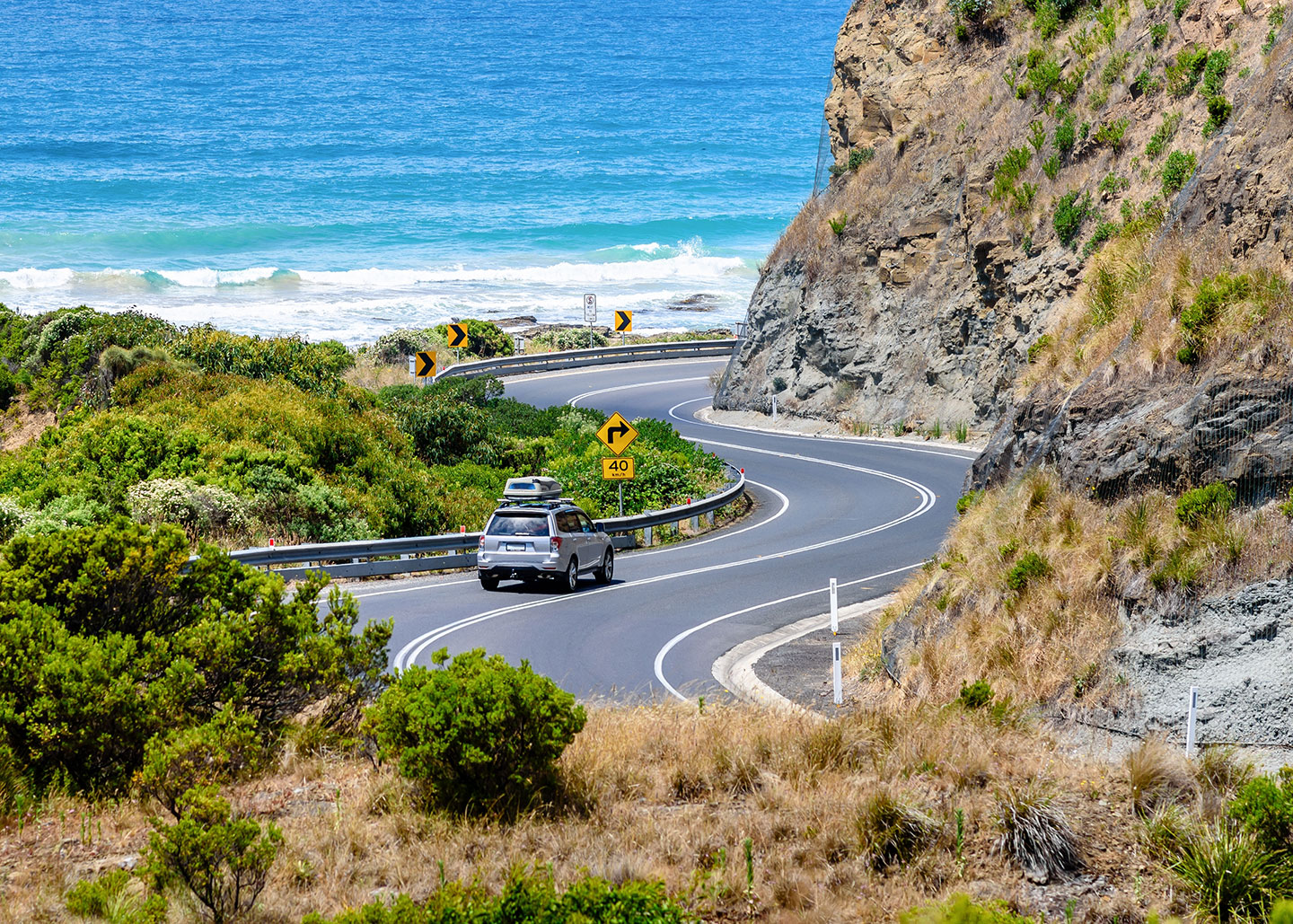
Whether you drive through Sydney traffic or cover long distances across regional NSW, location can shape how your car is used. City vehicles often face frequent braking, short trips and tighter parking, while regional vehicles may spend more time travelling at higher speeds over longer distances.
However, those driving conditions are only part of the picture. A car’s resale value depends on how it has been maintained, its total kilometres, mechanical condition and current buyer demand. This guide explains where location matters, where it does not, and which factors deserve the most attention when assessing your vehicle's value.
City vs regional driving: Does it actually make a difference?
City and regional driving can create different types of wear, but neither automatically makes a car more or less valuable.
Urban vehicles often spend more time in stop-start traffic, which can increase wear on brakes, tyres and some engine components. Short trips may also prevent the engine from reaching its ideal operating temperature. Regional vehicles usually travel longer distances and may face rough roads, dust, potholes or heavier suspension use.
These differences matter most when they affect the vehicle’s condition. Buyers are unlikely to place a higher value on a car simply because it has mostly travelled on highways or around the city. They assess the visible and mechanical outcome of that use, including:
- Total kilometres travelled
- Mechanical and cosmetic condition
- Evidence of regular servicing
- Tyre, brake and suspension wear
- Signs of damage or neglected repairs
Location may help explain how a car was used, but it does not determine its value on its own.
What our purchase data shows
1800 Salvage’s purchase data shows very little difference between average metropolitan and regional vehicle values in NSW.
Average vehicle values across metropolitan and regional NSW
The average gap was just $22, with metropolitan vehicles recording a slightly higher value. That difference is too small to suggest that location alone has a major impact on a caris value.
Why the price difference is smaller than many people expect
Auction buyers assess the vehicle in front of them. They look at the odometer reading, condition, make, model, and likely resale demand rather than relying on assumptions about city or country driving.
A regional vehicle with higher kilometres may still attract strong buyer interest if it is well-maintained and in demand. Likewise, a metropolitan car with lower mileage may receive lower offers if it has mechanical issues, faded paint or missing service records.
The biggest trend we've observed
The clearest pattern is that regional vehicles generally record higher odometer readings. When two otherwise similar cars are offered side by side, the vehicle with fewer kilometres will usually achieve the stronger auction result.
This means city cars may hold value better on average, but mainly because they often travel fewer kilometres, not simply because they were driven in a metropolitan area.
Do buyers care whether a car was driven in the city or the country?
Buyers may ask how a vehicle was used, but city or country driving rarely attracts a separate premium or discount. The main reason is simple: a seller’s description of their usual driving conditions is difficult to verify.
Instead, buyers rely on details they can consistently compare across vehicles, particularly the odometer reading, age, condition, and available maintenance records.
Why do auction buyers focus on total kilometres
Total kilometres provide a clear reference point when assessing a vehicle. The figure can help buyers estimate likely wear, future maintenance needs and the vehicle’s appeal in the resale market.
Statements such as “mostly driven on highways” provide useful context, but they do not replace the odometer reading. Buyers must price the vehicle based on verifiable information rather than assumptions about how gently it may have been driven.
The myth around highway kilometres vs city kilometres
Highway kilometres are often described as being easier on a vehicle because they usually involve steady speeds and less frequent braking. That can be true, but it does not mean that every regional car has been gently driven.
Regional vehicles may also travel on unsealed roads, carry heavy loads or encounter dust, potholes and uneven surfaces. City cars can experience more stop-start traffic, but they may cover much shorter distances each year.
For buyers, the terms “city kilometres” and “highway kilometres” are too broad to reveal the vehicle’s actual condition.
Why odometer readings matter more than driving conditions
The odometer gives buyers a measurable starting point, while an inspection and service records show how the vehicle has handled those kilometres.
A lower reading can improve buyer appeal, but it is not a guarantee of a stronger value. A poorly maintained, low-kilometre car may still raise concerns, while a higher-kilometre vehicle with consistent servicing and no major mechanical issues may perform better than expected.
Ultimately, buyers place more weight on evidence than on where the vehicle was driven.
Why regional cars can lose value faster
A regional address does not automatically reduce a vehicle’s valuation. The difference usually comes from three practical factors: the odometer reading, the size of the buyer pool, and the costs associated with moving the vehicle after the sale. Together, these factors can influence fair market value more than the postcode itself.
Higher average kilometres
Drivers in rural and regional areas often travel farther for work, school, services and shopping. This can increase annual mileage, even when most trips involve steady highway driving.
Vehicles with high odometer readings may attract lower offers because buyers need to allow for:
- Future maintenance costs
- Higher repair costs
- Earlier replacement of major components
- Lower resale appeal
A complete service history can help. Transparent workshop records show that servicing has kept pace with the vehicle’s use, reducing concerns about gaps in maintenance.
However, when two otherwise similar vehicles are compared, the one with fewer kilometres will usually have the stronger valuation.
Reduced buyer competition in regional markets
Market value is shaped by what buyers are prepared to pay at a particular time and location. Metropolitan markets generally have a larger pool of dealers and auction buyers, which can create more competition for desirable vehicles.
In some regional markets, fewer buyers may be interested in a particular make or model. With less competition, there is less pressure for buyers to increase their offers. Geographic demand can also vary, so a vehicle that is popular in one part of NSW may attract less buyer interest in another.
This does not mean every regional vehicle will receive a lower valuation. It means the available pool of buyers is one of the key factors that can affect the final result.
How auction location influences resale value
Even in an online auction, the vehicle’s physical location remains relevant.
Before bidding, buyers may calculate:
- Vehicle collection costs
- Transport to a workshop
- Repair costs
- Resale demand in their local market
If a vehicle is located far from the buyer or intended resale market, these added costs may reduce the amount they are prepared to offer.
Metropolitan auctions also tend to attract more competition. In a smaller regional market, the absence of only one or two interested buyers can affect the final result.
.svg)
Tip: Look beyond the postcode
Regional driving does not automatically reduce your car’s value. Focus on factors buyers can verify, including total kilometres, service history, condition, buyer demand, and the vehicle’s location for sale.

What has the biggest impact on your car's value?
Location can influence how a vehicle is used, but it is rarely the main factor in a valuation. Buyers usually assess the car as a whole, with the following details carrying more weight.

Make and model
Some vehicles attract stronger demand because of their reliability, practicality or brand reputation. Popular SUVs, dual-cab utes, four-wheel drives and fuel-efficient hatchbacks may perform better when buyer interest is high.

Vehicle age
Cars generally depreciate as they get older, although the rate varies by make, model and condition. A newer car may retain more value, but age alone does not guarantee a stronger offer.

Total kilometres travelled
The odometer is one of the clearest indicators buyers can compare. Vehicles with high kilometres may attract lower offers because buyers anticipate greater maintenance and repair costs.

Mechanical condition
Issues such as oil leaks, noisy brakes, engine faults, or suspension wear can reduce buyer confidence. A roadworthy, well-maintained vehicle is usually easier to value than one with unresolved mechanical concerns.

Service history
A complete service history helps show that maintenance has been carried out consistently. Missing service records or gaps in maintenance can raise concerns, particularly when the vehicle has travelled many kilometres.

Market demand
A car’s fair market value depends on what buyers are willing to pay at the time of sale. Demand can shift based on fuel costs, supply, safety features, location and the popularity of specific vehicle types.
Are city cars always worth more?
No. City cars may hold value better on average when they have lower kilometres, but location alone does not guarantee a higher price. A regional vehicle can still outperform a metropolitan one when it offers better condition, stronger service records or greater buyer demand.
When regional vehicles can outperform metropolitan vehicles
A regional car may attract a stronger valuation when it has:
- Lower kilometres than comparable city vehicles
- A complete service history
- Minimal cosmetic or mechanical damage
- Strong demand for its make and model
- Features suited to rural use, such as four-wheel drive capability or towing capacity
Well-maintained SUVs, four-wheel drives and dual-cab utes can perform particularly well where buyers value practicality and durability.
Why two similar cars can have very different values
Two vehicles of the same age and model can receive different offers because buyers assess more than the badge and postcode.
Differences may include:
- Odometer readings
- Mechanical condition
- Previous damage
- Service history
- Tyre and brake condition
- Modifications or upgrades
- Local buyer demand
A small dent or scratch may have a limited impact, while warning signs such as leaking oil, noisy brakes, or missing service records can raise concerns about larger repair costs.
Looking beyond location alone
The most useful approach is to compare the whole vehicle rather than assume city use is better or regional use is worse.
A fair valuation should consider:
- Age, make and model
- Total kilometres
- Maintenance records
- Current condition
- Market demand
- Sale and collection costs
These factors provide a clearer picture of what the vehicle is worth than its geographic history alone.
Ready to check your car’s value?
Get a fast, transparent valuation based on your vehicle’s condition, kilometres and current buyer demand.
How to maximise your car's resale value regardless of where you drive
You cannot always control how far you need to travel, but you can take practical steps to protect your car’s condition and buyer appeal.
- 01
Keep kilometres as low as practical
Avoid unnecessary trips and combine errands where possible. Lower annual mileage can help preserve value, especially when your car is compared with similar vehicles of the same age.
- 02
Stay on top of servicing
Follow the recommended service schedule and keep all invoices and workshop records. A clear service history gives buyers more confidence and helps explain how the vehicle has been maintained over time.
- 03
Address repairs before they become major issues
Do not ignore warning signs such as leaking oil, noisy brakes, suspension problems or dashboard alerts. Early repairs can prevent further damage and reduce the risk of much higher maintenance costs later.
- 04
Sell before depreciation accelerates
Vehicle depreciation is often faster as a car becomes older, less reliable or more expensive to maintain. Planning to sell before major repairs are due can help you avoid a sharper drop in value.
FAQs
Is highway driving better for a car than city driving?
Highway driving can involve steadier speeds and less frequent braking than city driving, but it is not automatically better for every vehicle. Long-distance travel can add many kilometres quickly, while rural roads may expose the suspension, tyres and bodywork to rough surfaces, dust and loose debris.
Ultimately, the condition created by that use matters more than whether the kilometres were recorded in the city or the country.
Do city cars have lower kilometres?
Often, but not always. City drivers may travel shorter distances each day, while people in regional areas commonly cover longer routes for work, school and essential services.
A city car can still have high mileage if it is used frequently for commuting, deliveries or rideshare work. Buyers, therefore, rely on the odometer rather than assumptions about the seller’s location.
Why do regional cars often have higher odometer readings?
Regional motorists generally need to travel farther between towns, workplaces and services. Higher annual mileage can add up quickly, even when the vehicle is well-maintained and mainly driven on highways.
Those additional kilometres can make a meaningful difference to resale value because buyers may factor in future maintenance and repair costs.
Does where I live affect my resale value?
Your location can affect buyer demand, auction competition and transport costs, but it is only one of several factors that affect value. A well-maintained regional vehicle may achieve a stronger result than a city vehicle with mechanical faults, previous damage or an incomplete service history.
For NSW vehicles, a buyer can also use the Service NSW registration check to review available registration details and recent recorded odometer readings.
What's the biggest factor affecting my car's value?
There is no single factor that applies to every car, but make, model, age, kilometres, condition and current market demand usually carry the most weight.
Hidden factors can also affect the result. These may include an earlier incident, incomplete repair work, warning lights, or mechanical issues such as oil leaks. Depending on the vehicle, unresolved problems can reduce an offer by hundreds or even thousands of dollars.
What really matters when valuing a car in NSW
City or regional driving can help explain how a vehicle has been used, but it does not determine its value on its own. Buyers place more weight on measurable details such as total kilometres, mechanical condition, service history, age, make, model and current market demand.
For sellers, the most useful approach is to look beyond the postcode. Keep maintenance records, address obvious issues and be transparent about the vehicle’s condition. These details help buyers assess risk and support a fairer valuation.
When you are ready to understand what your vehicle may be worth, an up-to-date car valuation in Sydney can provide a clearer result based on the car itself rather than assumptions about where it has been driven.
Table of contents

.avif)
Related articles

How To Sell A Car In Sydney
Learn the best options for selling your used, damaged, or old car in Sydney, what affects its value, and follow our step-by-step guide to get it sold.
Read about it
How Much Will I Get For Scrapping My Car Sydney
Understand how scrap value is calculated for cars in Sydney, from material weight to valuable parts, and follow our step-by-step guide to maximise your payout.
Read about it
How To Dispose Of A Vehicle In Sydney Fast
Find out the fastest ways to sell your car in Sydney, streamline the process, and handle paperwork efficiently with our expert guide.
Read about it