Key Takeaways
- Comparable vehicles in Hobart often receive different valuations than those on the mainland because of differences in buyer demand and market competition.
- A smaller buyer pool and lower auction activity can influence vehicle values in Tasmania.
- Age, kilometres, condition and service history remain the biggest factors affecting your vehicle's resale value, regardless of location.
- Popular makes and models in good condition continue to attract stronger buyer interest across Australia.
- A professional valuation provides the clearest picture of what your vehicle is worth in the current market.
The same vehicle can receive different valuations depending on where it's sold. While age, condition and service history are important, local market conditions also influence resale value.
At 1800 Salvage, we've found that comparable vehicles in Hobart often receive lower valuations than those on the mainland due to differences in buyer demand, auction competition, and market size. Understanding these factors can help you make a more informed decision when it's time to sell.
Why are used car values lower in Hobart?
Vehicle values in Hobart are influenced by the same fundamentals as in other parts of Australia, but the local market operates on a smaller scale. Fewer buyers, fewer competing bidders and a smaller auction network can all contribute to lower resale values for comparable vehicles.
This doesn't mean every vehicle in Tasmania is worth less. Well-maintained cars in popular segments can still achieve competitive prices, particularly when demand is strong. However, the overall market tends to be less competitive than larger mainland cities, which can influence valuations.
What we've observed from buying vehicles in Tasmania
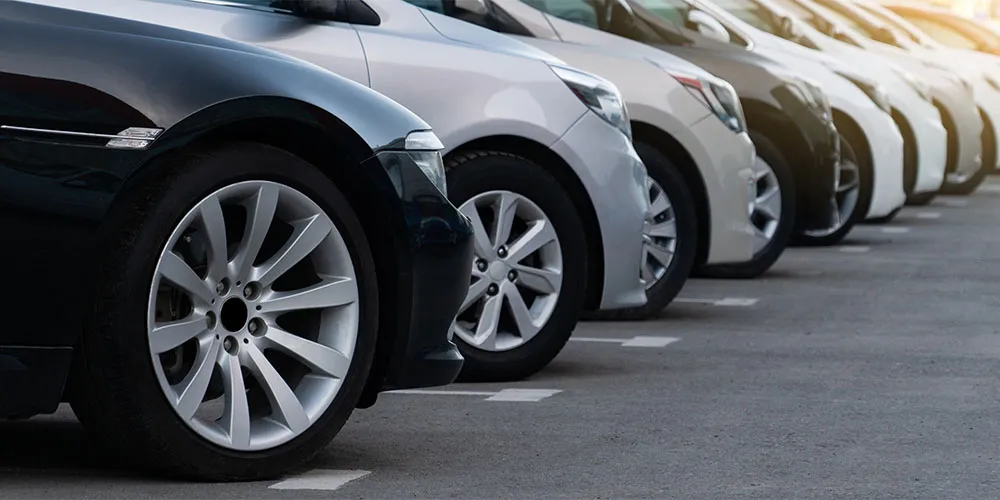
At 1800 Salvage, we've purchased and valued vehicles across Tasmania and mainland Australia. One consistent trend we've observed is that comparable vehicles can receive different valuations simply because they're entering markets with different levels of buyer demand and competition.
Why auction competition matters
Auction competition plays an important role in determining vehicle values. When more buyers are bidding on the same vehicle, prices are more likely to increase. Because Tasmania has fewer large-scale vehicle auctions and a smaller buying audience, comparable vehicles may achieve lower auction results than similar vehicles sold on the mainland.
The key trends we've consistently seen
Across the vehicles we've valued, the same pattern appears regularly. Popular makes and models in good condition continue to attract buyer interest, but comparable vehicles in Hobart often receive lower valuations than mainland equivalents due to lower overall competition. While individual vehicles are always assessed on their own merits, market size remains an important factor in determining resale value.
Find out what your car in Hobart is worth
Every vehicle is valued differently depending on its condition, demand and the market it's entering. Get a free online valuation from 1800 Salvage to understand what your vehicle could be worth before deciding to sell.
The biggest factors behind Hobart's lower vehicle values
Several market factors influence a car's value in Tasmania. While every vehicle is assessed individually, differences in buyer demand, competition, and logistics can affect a vehicle's value relative to similar cars on the mainland.

A smaller buyer pool
With a smaller population across Hobart and regional Tasmania, there are generally fewer car buyers looking for the same vehicles. This can reduce competition for popular models, including utes, hatchbacks and SUVs, making it harder for sellers to maximise their resale value.
Lower demand at auction
Vehicle auctions depend on buyer competition to achieve stronger sale prices. In Tasmania's smaller market, fewer active bidders can mean lower auction results, even for well-maintained vehicles. This often influences what a dealer or licensed buyer is prepared to offer.
Population size and market competition
Mainland cities such as Sydney and Brisbane have larger populations, more dealerships, and more buyers searching for second-hand vehicles. More competition usually means more interest in cars listed for sale, helping support stronger resale values.
Transport and logistics considerations
Moving a vehicle between Tasmania and the mainland involves additional transport costs and planning. These logistics can influence purchasing decisions and the amount a buyer is willing to pay, particularly when similar vehicles are already available closer to major markets.
Why similar vehicles can sell for more on the mainland
Location isn't the only factor that affects a vehicle's value, but larger mainland markets often create stronger competition. That increased demand can result in higher offers for comparable vehicles.
Stronger competition between buyers
When more buyers are looking to buy the same vehicle, prices are generally more competitive. Popular models such as the Toyota Hilux, Ford Ranger and Mazda SUVs often attract greater interest because demand remains consistently strong.
Larger metropolitan auction markets
Mainland auction centres usually attract more dealers, wholesalers and private buyers than those in Tasmania. With more people competing for the same vehicles, comparable models can achieve stronger sale prices than similar vehicles sold locally.
When interstate transport makes financial sense
For some vehicles, transporting them to the mainland may result in a higher overall return if the increase in value outweighs the transport costs. Before making a decision, it's worth getting a free car valuation to understand your car's current market value and compare your selling options.
Is it just the market, or are the vehicles different too?
Market conditions explain much of the difference between Hobart and mainland vehicle values, but the vehicles themselves can also influence the final valuation. Age, kilometres, condition and local driving habits all contribute to what buyers are willing to pay.
Average vehicle age
Like many smaller markets, Tasmania has a mix of newer and older vehicles that often remain in service for longer. While age alone doesn't determine value, older vehicles are generally more likely to require repairs or have outdated features, which can influence resale value.
Higher average kilometres
Many Tasmanians regularly travel between Hobart, Launceston and regional communities, so some vehicles accumulate higher kilometres over time. Higher mileage doesn't automatically reduce a vehicle's value, but buyers often compare the odometer with similar vehicles before making an offer.
Overall vehicle condition
Tasmania's cooler climate doesn't necessarily reduce a vehicle's value, but everyday driving conditions can affect wear over time. Vehicles used on regional roads or exposed to coastal environments may require more regular maintenance to remain in good condition. Buyers generally place greater value on vehicles that have been well cared for and serviced consistently.
Why these factors influence resale value
Buyers consider the complete picture, not just the location. A vehicle with reasonable kilometres, a documented service history and good overall condition can still achieve a competitive valuation in Hobart, even within a smaller market.
What affects your vehicle's value regardless of location?
Whether you're selling in Hobart or on the mainland, the same core factors determine a vehicle's value. Local market conditions may influence the final price, but these fundamentals remain the biggest drivers of resale value.
Make and model
Vehicles with strong reputations for reliability often attract more buyers. Popular models such as the Toyota Hilux, Ford Ranger and many Mazda vehicles typically remain in steady demand across Australia, helping support stronger resale values.
Mechanical condition
A mechanically sound vehicle inspires buyer confidence. Warning lights, unresolved faults, or overdue repairs can reduce its value, as buyers often factor future repair costs into their offers.
Service history
A complete service history demonstrates that a vehicle has been properly maintained. Logbooks, invoices and maintenance records reassure buyers and can help support a stronger resale price.
Accident history
Previous accident damage doesn't automatically reduce a vehicle's value, but buyers often consider the quality of repairs and whether the vehicle's history has been clearly documented.
Current buyer demand
Buyer demand changes over time and varies between vehicle types. Practical family cars, SUVs and utes generally attract more interest than niche models, regardless of whether they're sold in Hobart or on the mainland.
What Hobart sellers should know before selling
Understanding both your vehicle and the market can help you make a more informed decision about selling. An accurate car valuation takes local conditions into account while assessing the factors that matter most to buyers.
Why getting an accurate valuation matters
At 1800 Salvage, we assess more than just age and kilometres. We consider your vehicle's condition, market demand and current buying trends to provide a realistic estimate of what your car could be worth.
Understanding current market conditions
Hobart's smaller population means there's typically less competition than in larger mainland cities. That doesn't mean your vehicle lacks value—it simply means market conditions may influence how it's priced. Greater Hobart has a population of around 247,000, making it significantly smaller than Australia's major capitals, which naturally affects the size of the buyer pool.
Choosing the right buyer
Different buyers value vehicles differently depending on where and how they sell them. Choosing an experienced, licensed buyer with access to broader markets can make the process more transparent and hassle-free, while helping you understand all of your selling options before making a decision.
Can you sell an unregistered car in Hobart?
You can sell an unregistered car in Hobart, but you'll need to follow the relevant Tasmanian requirements before transferring ownership. Our guide explains what documents you'll need, how the process works and what to expect when selling an unregistered vehicle.

FAQs
Why are used car values lower in Hobart?
Hobart generally has a smaller buyer pool and fewer competing bidders than major mainland cities. This can result in lower offers for comparable vehicles, although factors such as condition, kilometres and service history still have the biggest influence on a car's value.
Do Hobart vehicles sell for less than mainland vehicles?
Not always. Well-maintained vehicles in popular segments can still achieve competitive prices. However, the average price for comparable vehicles may be lower in Tasmania because there are fewer buyers and less competition than in larger mainland markets.
Why does auction competition affect car values?
Auctions rely on multiple buyers competing for the same vehicle. More competition often leads to higher sale prices. In smaller markets such as Tasmania, fewer bidders can influence what a dealership, wholesaler or licensed buyer is prepared to pay. If you’re looking for where to sell your car in Hobart for the best offer, 1800 Salvage can help.
Can a Hobart vehicle be sold interstate?
Yes. Many vehicles in Tasmania can be sold to interstate buyers if the additional transport costs make financial sense. Depending on the sale, you may also need to complete the relevant registration transfer requirements through Service Tasmania before ownership changes.
What has the biggest impact on my car's resale value?
Your vehicle's condition, kilometres, service history, accident history, and buyer demand all play significant roles. While location influences the market, these factors usually have the greatest impact on your car's value.
Why location is only part of your vehicle's value
Where your vehicle is located can influence its value, but it's only one part of the picture. At 1800 Salvage, we consider your vehicle's condition, kilometres, service history, buyer demand and current market conditions to provide a fair valuation.
Whether your vehicle is in Hobart or elsewhere in Australia, the best way to understand what your car is worth is to request a free quote based on its individual vehicle details rather than relying on market averages.
Table of contents